Executive News Wire
Fact-first intelligence synthesized across 12+ news agencies. Zero sensationalism.
Live Wire
CHRONOLOGICAL WIRE DISPATCHES
Fact-first intelligence synthesized across 12+ news agencies. Zero sensationalism.
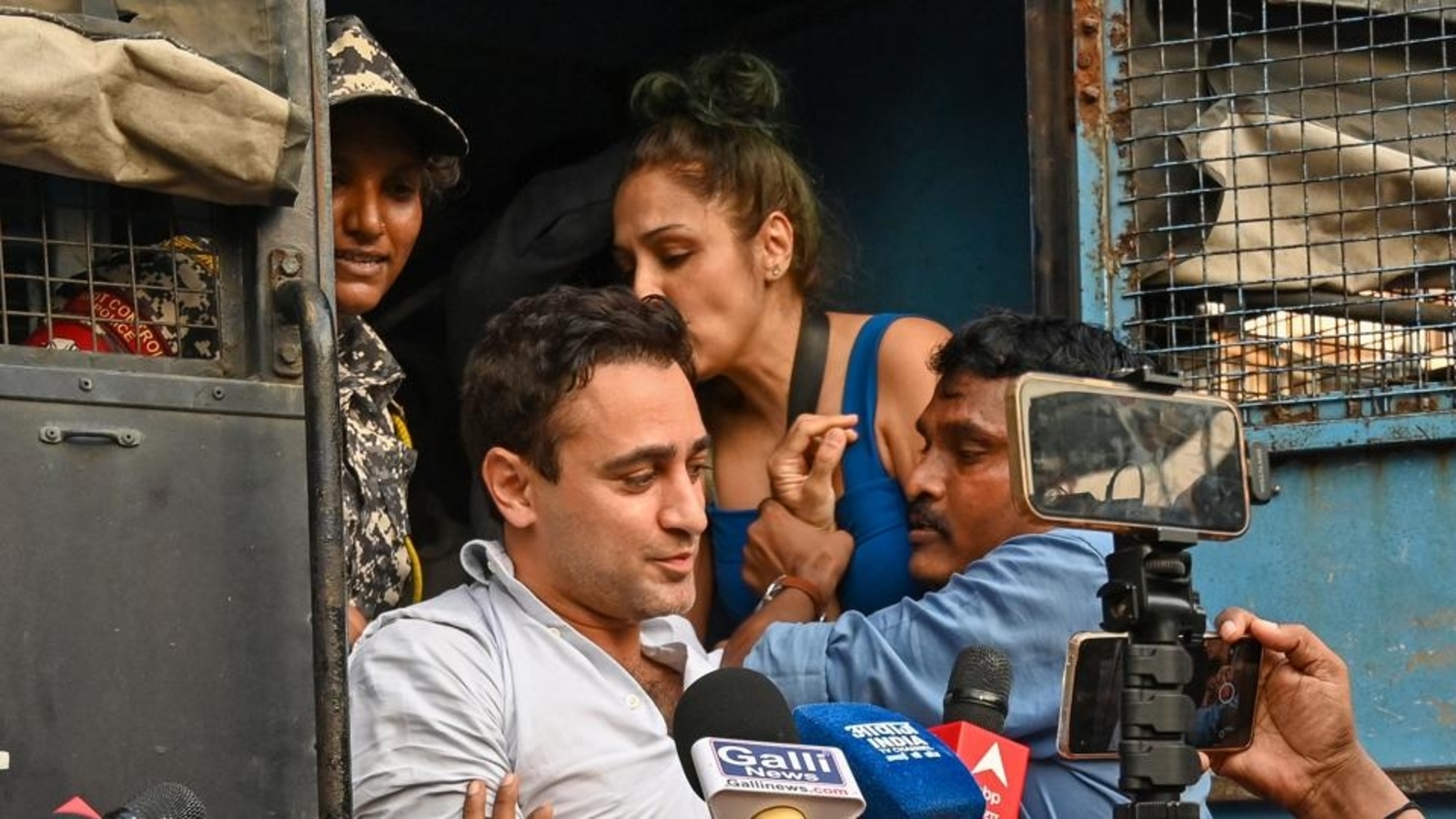
NEW DELHI [NCRBuzz Wire] — **NEW DELHI [NCRBuzz Wire] — The Bombay High Court has granted relief to actor Imran Khan, permitting him to stay in India after he submitted an unconditional apology and a judicial undertaking not to participate in future protests.** The legal proceedings originated from a petition challenging the 'Leave India Notice' served by the Foreigners Regional Registration Office (FRRO), operating under the Union Ministry of Home Affairs, pursuant to the statutory powers vested by the Foreigners Act, 1946.
**Legal grounds for the initial regulatory action involved administrative determinations regarding visa conditions and public order regulations.** Under Section 3 of the Foreigners Act, 1946, the central government and its delegated authorities possess statutory jurisdiction to regulate the entry, presence, and departure of foreign nationals, stipulating that visa holders must strictly adhere to the permissible bounds of local civic conduct and statutory compliance.
**Judicial scrutiny by the division bench focused on balancing administrative enforcement with procedural equity and the applicant's expressed compliance.** During the hearings, counsel representing the regulatory authorities maintained that adherence to procedural norms and visa conditions is mandatory for all foreign nationals residing within the territory of India, regardless of professional standing.
**Constitutional neutrality and adherence to established administrative law principles guided the court's interim observations.** Legal experts note that while executive authorities retain broad discretionary powers under immigration statutes to issue deportation or leave notices, judicial review ensures that principles of natural justice and proportionality are duly observed.
### Why It Matters: Indian Lens & Global Context
**Immigration enforcement and the regulation of foreign nationals engaging in public demonstrations intersect directly with India's national sovereignty and international legal obligations.** The statutory framework governing foreign nationals in India, primarily anchored in the Foreigners Act, 1946, empowers administrative bodies like the FRRO to monitor compliance with visa stipulations, ensuring that foreign visitors do not breach domestic public order parameters.
**Comparative administrative practices globally demonstrate a consistent trend toward tightening visa compliance and restricting political or civic activism by non-citizens.** Similar regulatory mechanisms exist in jurisdictions such as the United Kingdom, the United States, and the European Union, where participation in unauthorized protests or failure to adhere to visa conditions frequently triggers administrative removal proceedings or visa revocations, balancing national security with due process guarantees.
The Foreigners Act, 1946 empowers the central government and regional registration offices to regulate the residency and movement of foreign nationals. Immigration authorities routinely issue notices under statutory provisions when foreign citizens breach visa conditions or participate in activities inconsistent with their approved residency status.
Get Instant Delhi-NCR Breaking Alerts on WhatsApp
Traffic advisories, AQI alerts, Metro disruptions, and verified local civic updates. No spam.
You have reviewed or dismissed all fresh dispatches.