Executive News Wire
Fact-first intelligence synthesized across 12+ news agencies. Zero sensationalism.
Live Wire
CHRONOLOGICAL WIRE DISPATCHES
Fact-first intelligence synthesized across 12+ news agencies. Zero sensationalism.
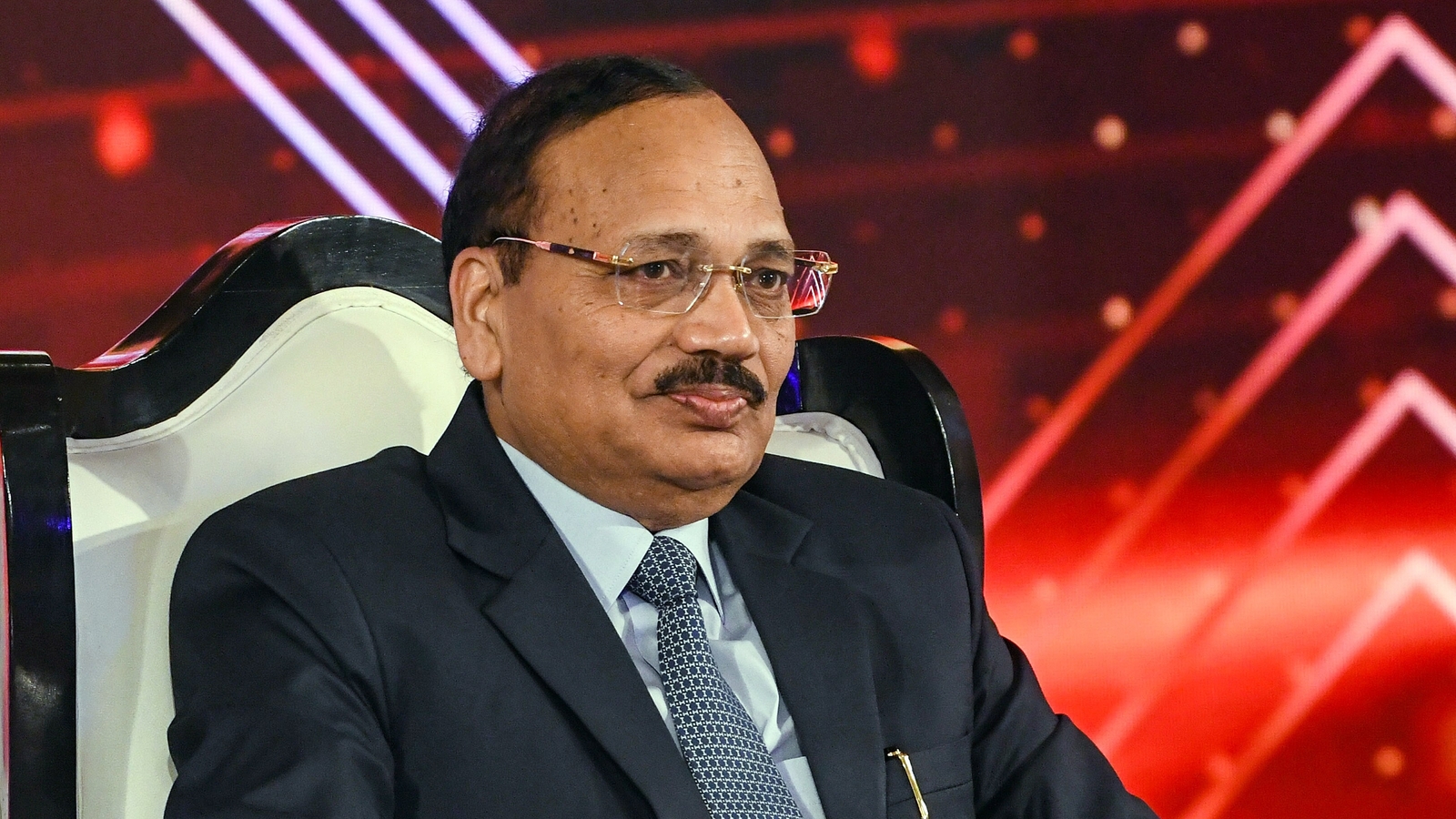
NEW DELHI [NCRBuzz Wire] — ### Context of the Judicial Outreach
**NEW DELHI [NCRBuzz Wire] — Supreme Court Justice Surya Kant addressed the formal communication sent by senior parliamentary opposition leaders seeking a direct meeting.** Lok Sabha Leader of Opposition Rahul Gandhi and Rajya Sabha Leader of Opposition Mallikarjun Kharge had jointly or individually approached the highest judicial office through written correspondence, requesting an audience to discuss pressing matters concerning institutional independence and governance.
### Stakeholder Perspectives and Institutional Protocol
**Constitutional experts and political representatives have offered diverse viewpoints regarding the intersection of legislative opposition figures and the judiciary.** The underlying grievance or motive driving the opposition's outreach stemmed from their concerns over administrative and legislative issues, prompting them to seek judicial intervention or dialogue. While opposition parties maintained that direct communication is vital for highlighting systemic grievances, legal purists and observers noted that the separation of powers under the Constitution of India requires judges to maintain strict neutrality and avoid informal, out-of-court consultations with active political figures to prevent any perception of bias.
### Official Stance and What to Watch Next
**CJI Surya Kant firmly reiterated that the doors of the Supreme Court remain universally open to all litigants and citizens through proper legal channels.** Observers and legal analysts are now closely monitoring whether the opposition leaders will pursue formal PILs or standard judicial petitions rather than seeking administrative meetings, ensuring that all grievances are addressed strictly within the established framework of statutory law and court procedures.
The interaction between political opposition leaders and the apex judiciary has historical precedents where institutional boundaries are carefully preserved. Under the Indian Constitution, the judiciary operates independently of the executive and legislature to ensure uncompromised rule of law, making informal political meetings sensitive.
Get Instant Delhi-NCR Breaking Alerts on WhatsApp
Traffic advisories, AQI alerts, Metro disruptions, and verified local civic updates. No spam.
You have reviewed or dismissed all fresh dispatches.