Executive News Wire
Fact-first intelligence synthesized across 12+ news agencies. Zero sensationalism.
Live Wire
CHRONOLOGICAL WIRE DISPATCHES
Fact-first intelligence synthesized across 12+ news agencies. Zero sensationalism.
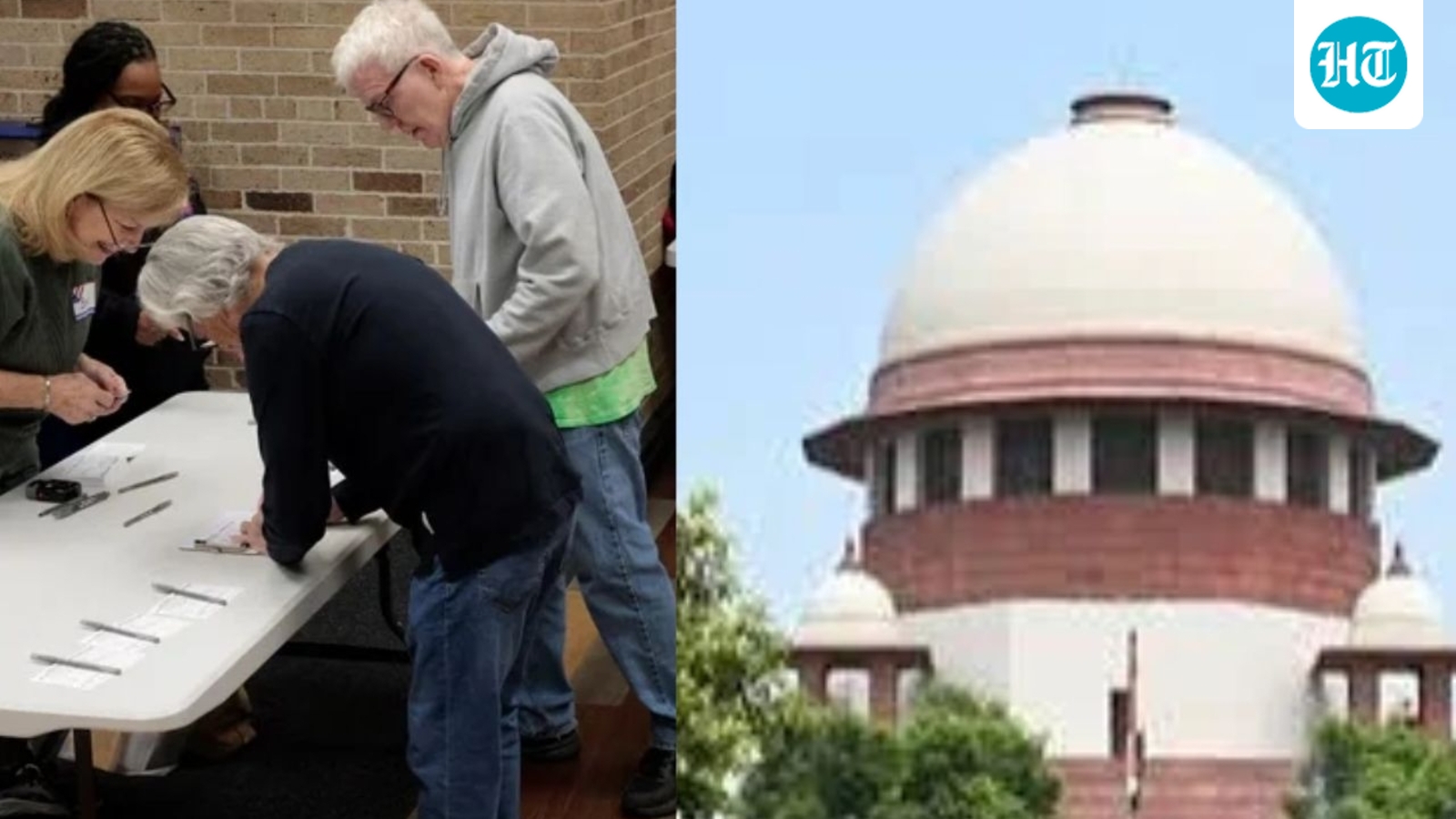
NEW DELHI [NCRBuzz Wire] — **Providing a comprehensive evening news summary for citizens, recent developments highlight significant judicial observations alongside major international electoral events.** The Supreme Court of India observed that public ways and spaces cannot be occupied indefinitely for protests, balancing the fundamental right to assemble with the rights of citizens to unhindered movement.
**The bench emphasized that while peaceful dissent is a constitutionally protected right under Article 19 of the Constitution of India, such demonstrations must be restricted to designated zones.** Legal experts and various political stakeholders have offered diverse perspectives, noting the ongoing tension between maintaining civic infrastructure and facilitating democratic expressions of grievance.
**Globally, attention is focused on the United States as the nation conducts its midterm elections to determine the majority control of the United States Congress.** These legislative contests dictate the political balance of power in Washington, carrying significant implications for international trade, foreign policy, and bilateral engagements with partner nations including India.
### Why It Matters: Indian Lens & Global Context
**Examining the direct impact on India, international political shifts in the United States invariably influence global economic stability, visa policies, and strategic defense partnerships.** Legislative changes in Washington can alter trade tariffs, foreign direct investment inflows, and geopolitical alignments in the Indo-Pacific region, thereby impacting India's macroeconomic outlook.
**Analyzing the domestic parallel within India, recurring debates over protest-site occupations—such as historical farmer agitations at national capital borders—reflect a continuous balancing act between civic disruption and democratic dissent.** Both jurisdictions grapple with the administrative challenge of enforcing rule of law while respecting citizens' statutory and constitutional rights to voice collective grievances through public demonstrations.
### What Lies Ahead: Impact & Next Steps
**Following the apex court's observations, municipal authorities and law enforcement agencies are expected to issue updated guidelines regarding designated protest zones.** Citizens and political organizations must monitor official notifications to ensure compliance with statutory regulations governing public assemblies and traffic management.
The legal debate surrounding public protest sites in India has evolved through several landmark judgments balancing freedom of speech and expression under Article 19(1)(a) with the right to assembly under Article 19(1)(b), weighed against public inconvenience and infrastructure disruption.
Get Instant Delhi-NCR Breaking Alerts on WhatsApp
Traffic advisories, AQI alerts, Metro disruptions, and verified local civic updates. No spam.
You have reviewed or dismissed all fresh dispatches.