Executive News Wire
Fact-first intelligence synthesized across 12+ news agencies. Zero sensationalism.
Live Wire
CHRONOLOGICAL WIRE DISPATCHES
Fact-first intelligence synthesized across 12+ news agencies. Zero sensationalism.
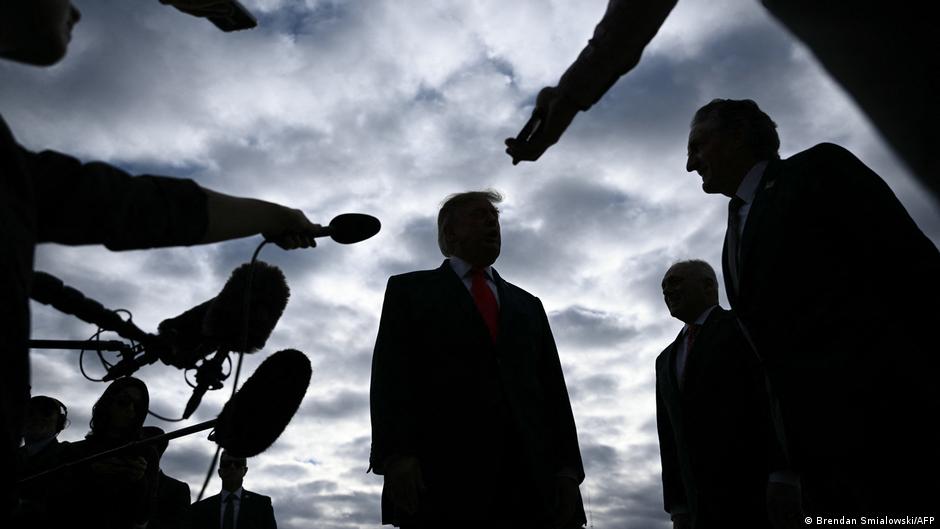
NEW DELHI [NCRBuzz Wire] — **Global strategic stability hangs in the balance as US midterm elections and ongoing geopolitical friction involving Tehran create a volatile nexus for international energy security and trade choke points.** Analysts monitoring international treaties and summits point out that the upcoming electoral outcomes in Washington will decisively shape executive powers and foreign policy execution regarding Middle Eastern diplomacy.
### Strategic Implications for International Trade and Energy
**Energy corridors such as key maritime shipping lanes face potential disruption risks depending on the policy trajectory adopted by the incoming US Congress.** Domestic voter dissatisfaction with inflation, governance, and corruption is projected to heavily influence the midterm polls, potentially constraining presidential authority and shifting legislative priorities toward domestic stabilization over foreign intervention.
### Why It Matters: Indian Lens & Global Context
**For New Delhi, developments in Washington and Tehran carry profound implications for energy security, crude oil imports, and the safety of the Indian diaspora residing in the Middle East.** India imports a significant portion of its crude oil requirements and relies heavily on stable maritime trade routes through West Asian corridors; any military escalation or trade disruption directly threatens domestic inflation control and macroeconomic stability.
**Paralleling domestic political mobilizations and economic pressures seen in contemporary India, the US midterm elections reflect how public anger over inflation and governance drives populist electoral shifts.** Just as Indian policymakers navigate complex regional security dynamics alongside domestic socioeconomic grievances, shifting political mandates in major global democracies directly alter the strategic calculus governing international trade treaties and bilateral alignments.
### What to Watch Next
**Observers must closely monitor the certification of US midterm election results and subsequent legislative shifts concerning foreign policy mandates.** Key diplomatic engagements involving Tehran and international mediators will serve as leading indicators of whether geopolitical tensions de-escalate into renewed nuclear negotiations or deteriorate into open conflict.
Historical precedents show that domestic economic distress, inflation, and public backlash during midterm cycles in major Western democracies routinely constrain executive foreign policy, forcing shifts toward isolationism or intensive diplomatic recalibration.
Get Instant Delhi-NCR Breaking Alerts on WhatsApp
Traffic advisories, AQI alerts, Metro disruptions, and verified local civic updates. No spam.
You have reviewed or dismissed all fresh dispatches.