Executive News Wire
Fact-first intelligence synthesized across 12+ news agencies. Zero sensationalism.
Live Wire
CHRONOLOGICAL WIRE DISPATCHES
Fact-first intelligence synthesized across 12+ news agencies. Zero sensationalism.
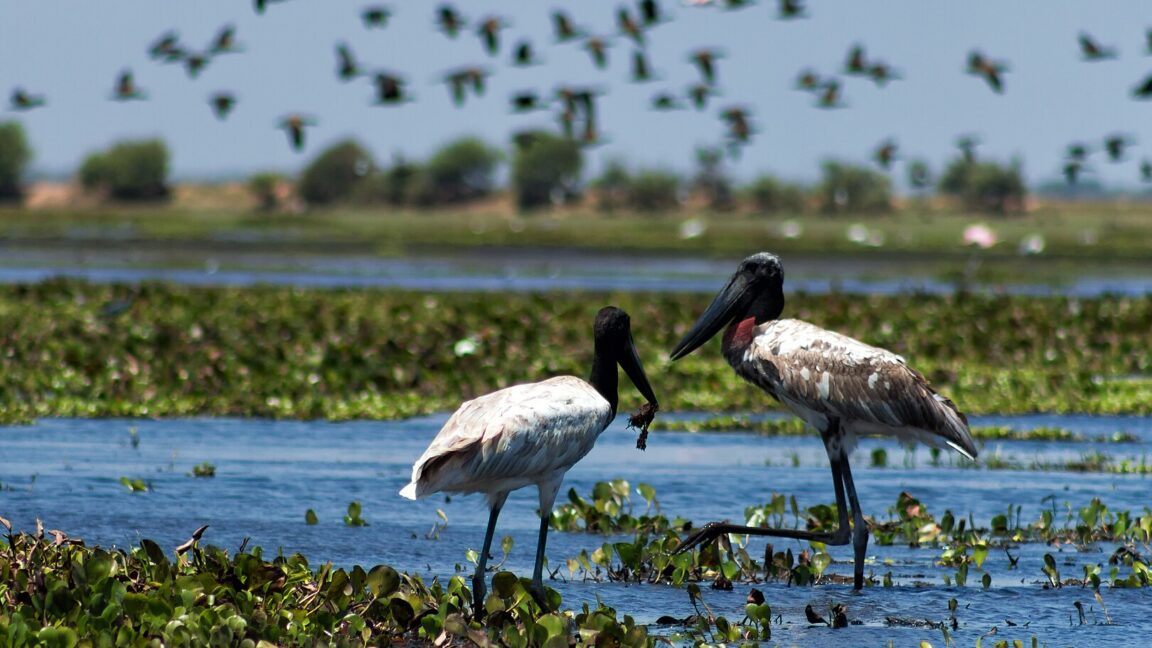
BENGALURU [NCRBuzz Wire] — **Delegates assembling at the COP17 biodiversity summit in Yerevan, Armenia, have officially conceded that current global conservation trajectories will miss the 2030 targets established under the Kunming-Montreal Global Biodiversity Framework.** **The high-stakes negotiations concluded following an exhaustive overnight session, where representatives from nearly 200 countries reviewed severe shortfalls in both financial capital and actionable deployment.** **Underpinning this regulatory and environmental impasse is a profound systemic deficit in international capital allocation, where developing nations argue that promised biodiversity trust funds have failed to materialize at the necessary silicon-and-infrastructure scale.**
### Architectural & Financial Deficits
**The primary bottleneck identified during the two-week summit remains the profound disconnect between ambitious macro-policy declarations and micro-level enterprise funding.** **Global AI-driven ecological modeling and satellite tracking systems deployed across various silicon nodes indicate that current resource allocation is operating at less than forty percent of the required threshold to halt mass extinction events by the end of the decade.** **Without immediate recalibration of green-bond parameters and transnational subsidies, enterprise-level compliance frameworks risk collapsing under regulatory scrutiny.**
### Why It Matters: Indian Lens & Global Context
**For emerging economies like India, the shortfall in global biodiversity funding directly impacts domestic ecological corridors, agricultural resilience, and national climate mitigation expenditure.** **India, maintaining one of the world's most biodiverse landmasses alongside aggressive industrial scaling, faces parallel internal pressures where state-level conservation initiatives constantly compete with infrastructure development and semiconductor fab mandates.** **This mirrors the global dilemma where governments are forced to balance heavy silicon hardware manufacturing expansion with strict ecological mandates, creating widespread policy friction across both developing and industrialized economies.**
### What Lies Ahead for Enterprise Conservation
**Governments and international bodies must urgently restructure bilateral aid agreements before the next interim review cycle to prevent permanent ecological degradation.** **Developers, environmental engineers, and enterprise compliance officers are advised to monitor upcoming amendments to international reporting standards regarding land-use and supply-chain biodiversity footprints.**
The Kunming-Montreal Global Biodiversity Framework, established in 2022, set a historic target to protect 30 percent of Earth's lands and oceans by 2030, a goal currently lagging due to delayed financial commitments from wealthy nations.
Get Instant Delhi-NCR Breaking Alerts on WhatsApp
Traffic advisories, AQI alerts, Metro disruptions, and verified local civic updates. No spam.
You have reviewed or dismissed all fresh dispatches.