Executive News Wire
Fact-first intelligence synthesized across 12+ news agencies. Zero sensationalism.
Live Wire
CHRONOLOGICAL WIRE DISPATCHES
Fact-first intelligence synthesized across 12+ news agencies. Zero sensationalism.
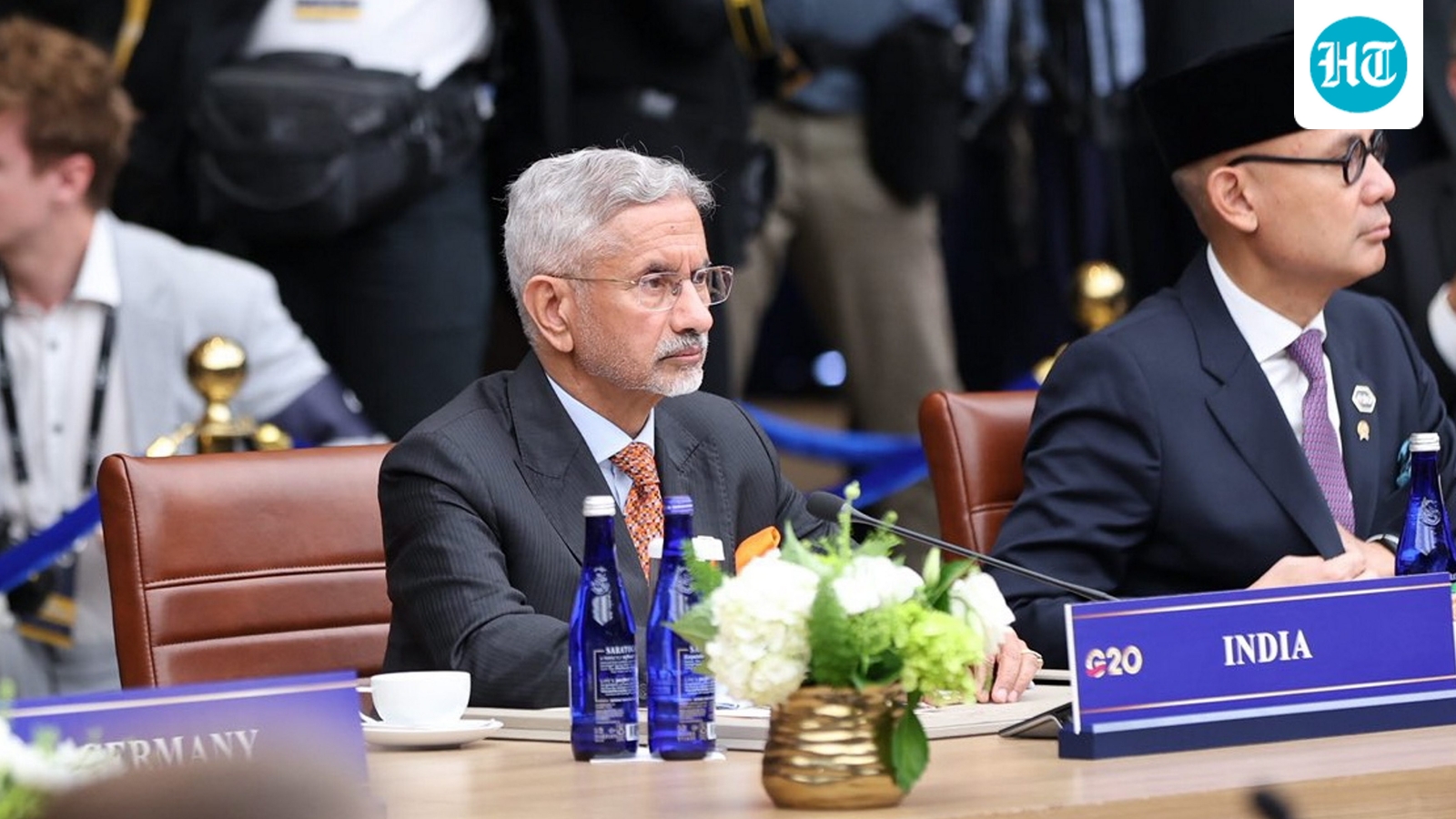
NEW DELHI [NCRBuzz Wire] — **External Affairs Minister S. Jaishankar has formally detailed India's three-point discussion framework focusing on the protection of seafarers and the restoration of grain exports amid the ongoing armed conflict between Russia and Ukraine.** Addressing key international stakeholders, Jaishankar underscored that India's diplomatic outreach is anchored in mitigating the severe humanitarian and economic disruptions affecting global supply chains, energy markets, and food security.
### Strategic Priorities and Diplomatic Stance
**The three-point framework advanced by New Delhi specifically addresses the safety of merchant vessels, the unhindered transit of agricultural commodities, and the immediate cessation of hostilities through negotiated settlements.** Official Ministry of External Affairs statements emphasize that India has consistently maintained strategic autonomy, engaging transparently with both Moscow and Kyiv while refusing to take partisan sides in alignment with traditional non-aligned foreign policy doctrines.
### Impact on Global Trade and Security
**Global shipping routes in the Black Sea region have suffered severe vulnerabilities, directly impacting international trade logistics and inflation rates across developing economies.** The disruption of critical grain exports from Ukrainian ports has historically triggered global food security concerns, prompting New Delhi to advocate for multilateral humanitarian corridors under international maritime law.
### Why It Matters: Indian Lens & Global Context
**For India, the prolongation of the Russia-Ukraine conflict directly influences bilateral trade balances, domestic fertilizer costs, and the uninterrupted import of discounted crude oil required to stabilize domestic energy inflation.** Furthermore, the safety of Indian seafarers stranded or operating commercial vessels in conflict zones remains a paramount consular priority for the Union Government.
**Drawing domestic parallels, India's diplomatic balancing act mirrors its historical management of complex geopolitical realpolitik during past international crises, balancing strategic defense dependencies with economic imperatives.** While Western capitals have imposed sweeping economic sanctions, New Delhi has systematically prioritized domestic energy security and developmental stability, asserting that dialogue remains the sole viable pathway to durable peace under United Nations Charter principles.
### What to Watch Next
**Observers will monitor upcoming multilateral summits, including the United Nations General Assembly and G20 deliberations, for potential shifts in mediation efforts by neutral states.** Stakeholders should track official gazette notifications regarding maritime advisories and Ministry of External Affairs updates concerning bilateral trade adjustments.
India has consistently advocated for diplomatic negotiations and adherence to international law since the onset of the Russia-Ukraine conflict in 2022, abstaining from UN resolutions while maintaining essential bilateral trade.
Get Instant Delhi-NCR Breaking Alerts on WhatsApp
Traffic advisories, AQI alerts, Metro disruptions, and verified local civic updates. No spam.
You have reviewed or dismissed all fresh dispatches.