Executive News Wire
Fact-first intelligence synthesized across 12+ news agencies. Zero sensationalism.
Live Wire
CHRONOLOGICAL WIRE DISPATCHES
Fact-first intelligence synthesized across 12+ news agencies. Zero sensationalism.
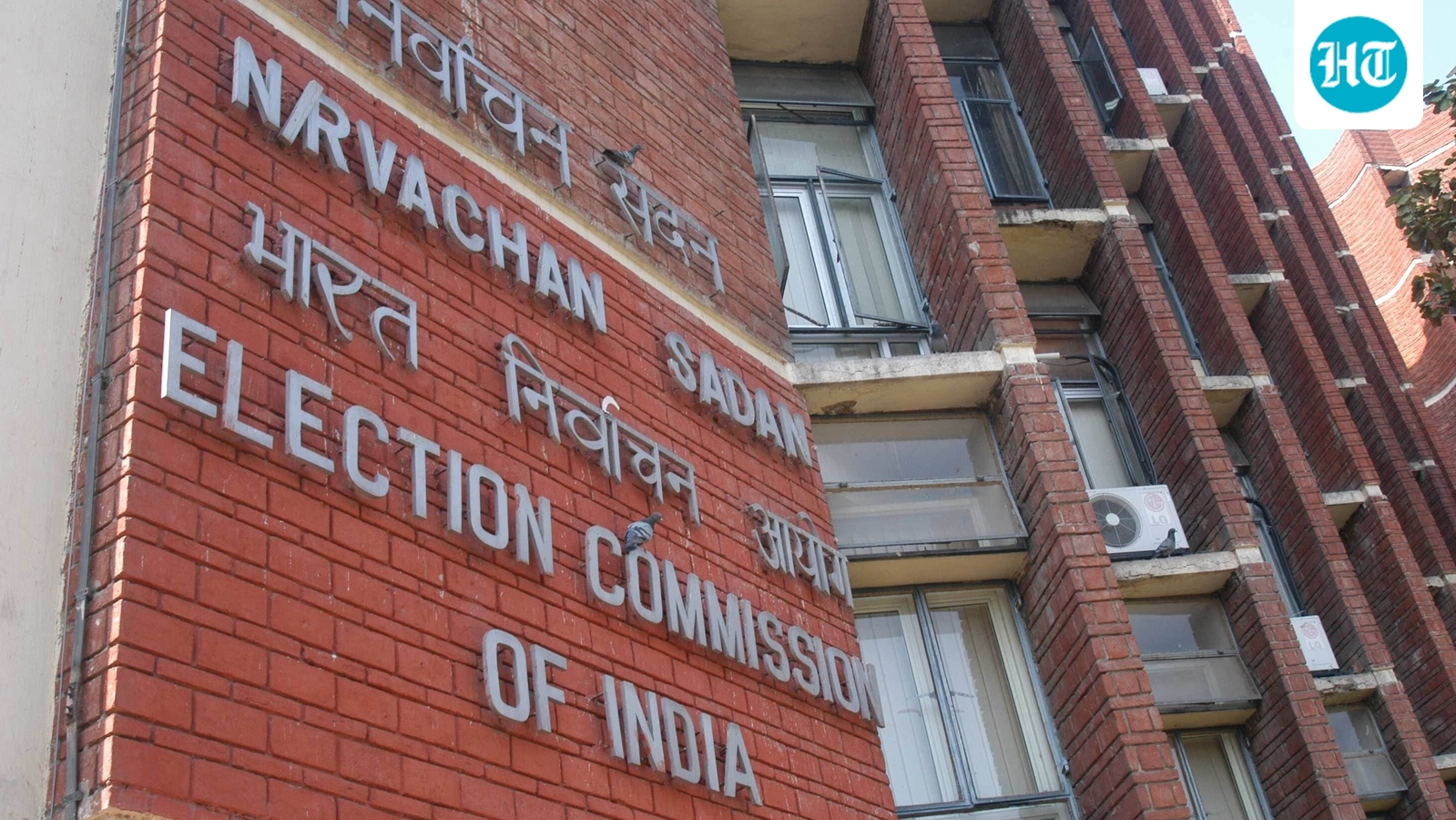
NEW DELHI [NCRBuzz Wire] — ### Supreme Court Scrutiny Over ECI Videography Rules
**NEW DELHI [NCRBuzz Wire] — The Supreme Court has pulled up the Election Commission of India (ECI) regarding its established norms governing the storage duration and restricted third-party access to official counting center CCTV footage.** The legal challenge emerged from an election petition contesting the 2023 Karnataka legislative assembly elections, specifically focusing on the Sringeri constituency recount proceedings where candidates sought broader judicial and public scrutiny of videographic evidence.
### Statutory Framework and Retention Protocols
**Under current ECI guidelines formulated in adherence to the Conduct of Elections Rules, 1961, and relevant statutory provisions under the Representation of the People Act, 1951, general electronic records and counting hall surveillance videos are preserved for a standard duration of 45 days.** This statutory window allows defeated candidates or aggrieved parties to file an election petition before the respective High Court challenging the poll outcome, after which the preservation protocols are subject to specific judicial orders.
| Metric / Aspect | Details |
|---|---|
| Standard Retention Period | 45 Days Post-Result Declaration |
| Governing Statute | Conduct of Elections Rules, 1961 |
| Public Access Status | Restricted / Subject to Court Orders |
| Primary Dispute Arena | 2023 Karnataka Assembly Elections (Sringeri) |
### Stakeholder Perspectives and Future Outlook
**Legal experts and political stakeholders remain sharply divided over whether expanding public access to raw electoral videography would enhance institutional transparency or risk administrative overreach.** Civil rights organizations and petitioner counsels argue that extended data retention and transparent access are vital to upholding democratic integrity, whereas administrative authorities caution against potential data misuse and logistical burdens of indefinite storage. The Supreme Court is expected to deliberate further on formulating balanced guidelines to reconcile electoral transparency with statutory administrative limits.
The matter highlights ongoing discourse regarding transparency in Indian elections, balancing the right to challenge poll outcomes under the Representation of the People Act, 1951 with administrative data management protocols formulated by the Election Commission of India.
Get Instant Delhi-NCR Breaking Alerts on WhatsApp
Traffic advisories, AQI alerts, Metro disruptions, and verified local civic updates. No spam.
You have reviewed or dismissed all fresh dispatches.