Executive News Wire
Fact-first intelligence synthesized across 12+ news agencies. Zero sensationalism.
Live Wire
CHRONOLOGICAL WIRE DISPATCHES
Fact-first intelligence synthesized across 12+ news agencies. Zero sensationalism.
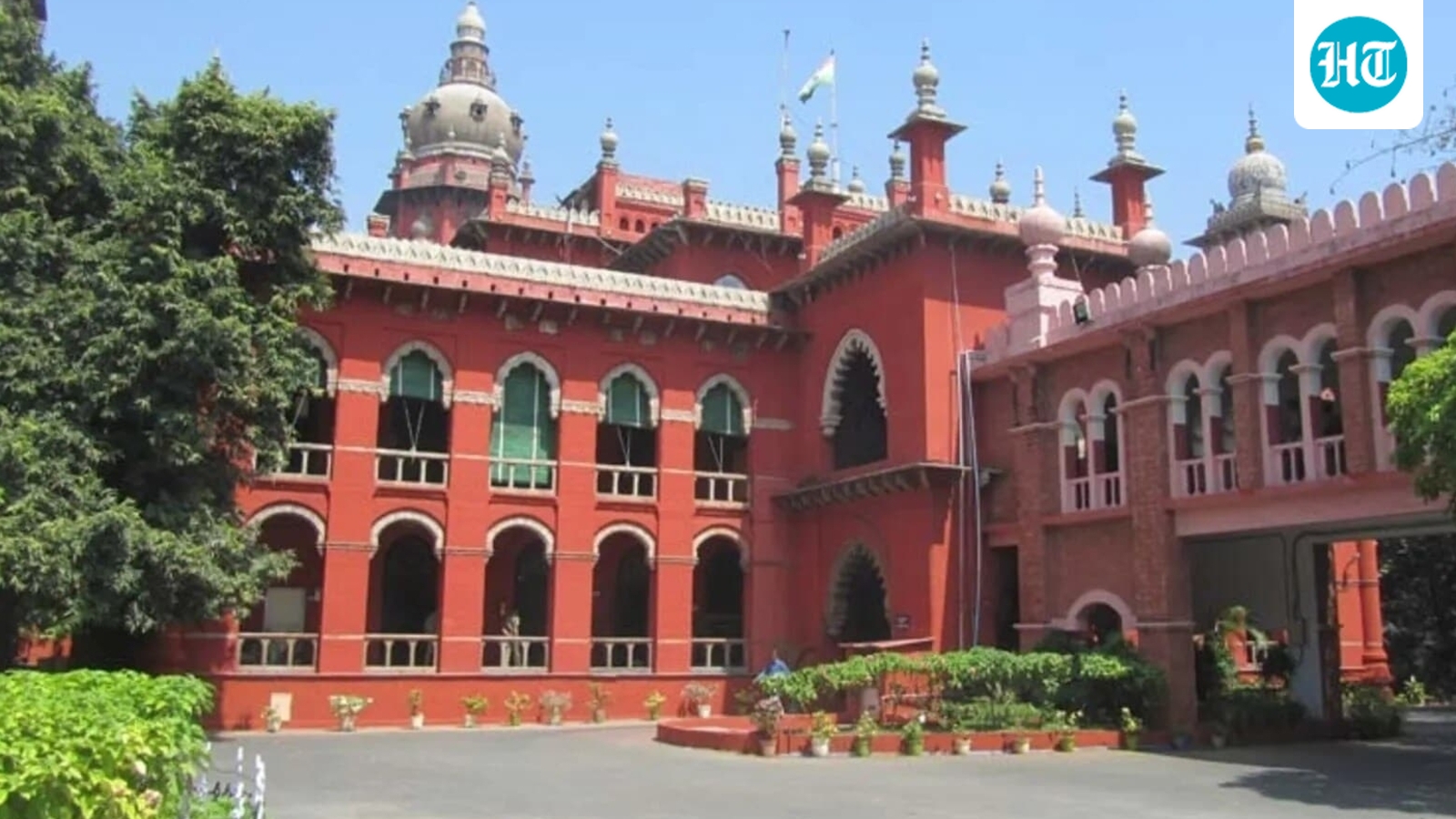
NEW DELHI [NCRBuzz Wire] — ### NEW DELHI [NCRBuzz Wire] — **The Madras High Court has explicitly declined to issue a blanket order restricting public protests and demonstrations concerning judicial rulings, asserting instead that administrative authorities must evaluate such permissions on a case-by-case basis.** Understanding why this legal stance was adopted requires examining the delicate constitutional balance between the fundamental right to freedom of speech and expression under Article 19(1)(a) of the Constitution of India and the statutory imperative to maintain public order and uphold the dignity of the judiciary.
### Legal Context and Administrative Mandate
**Judicial authorities stressed that a generalized prohibition would overreach legal boundaries and potentially infringe upon legitimate democratic expressions.** The bench observed that blanket restrictions fail to account for the unique factual matrix and security requirements of individual public gatherings. Under existing statutory frameworks, local police and municipal authorities remain legally mandated to review applications for rallies, meetings, and protests individually, weighing potential disruptions against constitutional liberties.
### Stakeholder Perspectives and Multi-Party Reactions
**Political parties and civil society organizations expressed varied interpretations of the court's refusal to institute sweeping prohibitions.** Representatives from opposition groups maintained that citizens retain an inviolable democratic right to peacefully critique judicial orders and legislative enactments without preemptive administrative bans. Conversely, administrative stakeholders and legal traditionalists argued that clear regulatory boundaries are essential to prevent contempt of court and ensure that public demonstrations do not obstruct judicial proceedings or intimidate judicial officers.
### What to Watch Next
**Legal analysts and administrative bodies are closely monitoring upcoming applications for public demonstrations to observe how local authorities apply the case-by-case assessment standard.** Future appellate reviews will likely test the precise limits of administrative discretion when regulating protests outside court premises, setting significant precedents for constitutional jurisprudence across India.
### Why It Matters: Indian Lens & Global Context
**The Madras High Court ruling carries profound implications for the nationwide governance of public dissent, balancing constitutional freedoms against the administration of justice in India.** Similar debates surrounding the regulation of protests near sensitive state institutions frequently emerge across various High Courts, reflecting ongoing tension between civil liberties and public order maintenance.
**Globally and domestically, democratic institutions grapple with the challenge of defining lawful boundaries for demonstrations directed at judicial and executive authorities.** While international jurisdictions navigate similar questions regarding freedom of assembly outside courts, India's constitutional framework uniquely balances fundamental rights with reasonable restrictions under Article 19(2), making administrative prudence paramount.
The matter stems from ongoing debates regarding public demonstrations outside court premises, where courts frequently balance the fundamental right to peaceful assembly with the necessity of maintaining unhindered judicial administration.
Get Instant Delhi-NCR Breaking Alerts on WhatsApp
Traffic advisories, AQI alerts, Metro disruptions, and verified local civic updates. No spam.
You have reviewed or dismissed all fresh dispatches.