Executive News Wire
Fact-first intelligence synthesized across 12+ news agencies. Zero sensationalism.
Live Wire
CHRONOLOGICAL WIRE DISPATCHES
Fact-first intelligence synthesized across 12+ news agencies. Zero sensationalism.
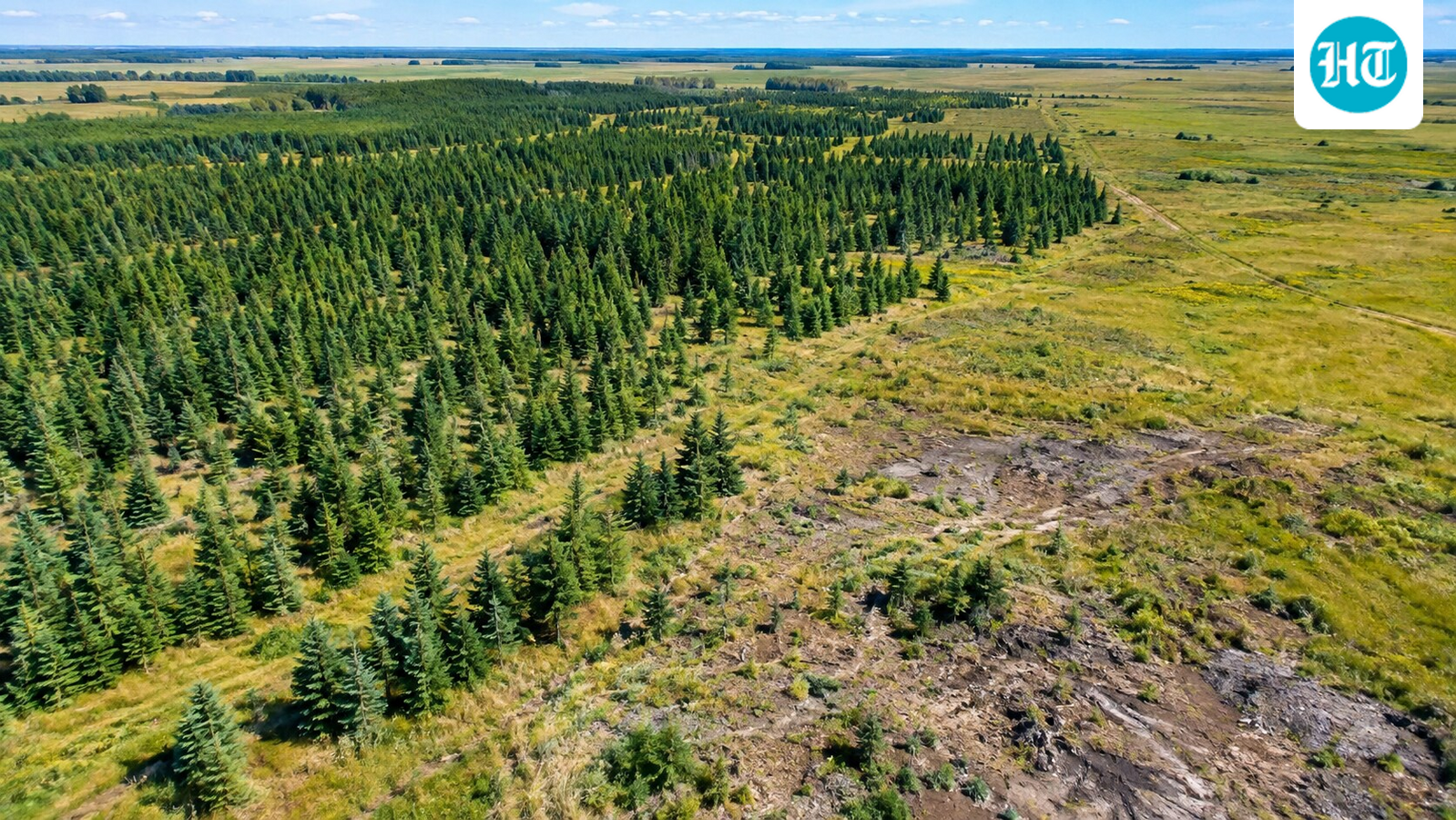
NEW DELHI [NCRBuzz Wire] — ### Ecological Impact of Historical Afforestation
**A scientific assessment from Manitoba, Canada, demonstrates that rare prairie grasslands exhibit severe ecological inertia and fail to recover naturally even 19 years after the removal of non-native tree plantations.** Between 1928 and 1950, authorities planted white spruce across segments of indigenous prairie within a regional park, a practice intended to expand forestry that fundamentally disrupted the native seed banks and soil microbiome.
**Subsequent ecological monitoring, highlighted by a pivotal 2018 research review, underscores that removing the canopy does not immediately restore the original grassland habitat.** The long-term presence of conifer litter, altered nitrogen cycles, and shading significantly suppressed the germination of native prairie flora, demonstrating that ecological restoration requires active intervention rather than passive neglect.
### Comparative Overview of Prairie Recovery Metrics
| Metric / Aspect | Details |
|---|---|
| Study Region | Manitoba Park, Canada |
| Afforestation Period | 1928 to 1950 |
| Intervention Analyzed | White Spruce Plantations on Native Prairie |
| Post-Removal Evaluation | 19 Years After Tree Removal (2018 Study) |
| Recovery Status | Failed Natural Regeneration / Persistent Soil Alteration |
### Stakeholder Perspectives and Future Policy
**Environmental scientists and conservationists emphasize that afforestation initiatives must carefully evaluate the baseline ecosystem before introducing non-native or densely-canopied tree species.** While tree planting is globally promoted for carbon sequestration, indiscriminate afforestation on natural grasslands can permanently compromise fragile biodiversity hotspots. Policymakers are now urged to incorporate rigorous ecological impact assessments into international conservation frameworks to protect native biomes from irreversible degradation.
Historical land management policies in North America during the mid-20th century frequently prioritized commercial conifer afforestation over preserving native biomes, leading to long-term ecological consequences that modern conservation science is actively working to reverse through active restoration frameworks.
Get Instant Delhi-NCR Breaking Alerts on WhatsApp
Traffic advisories, AQI alerts, Metro disruptions, and verified local civic updates. No spam.
You have reviewed or dismissed all fresh dispatches.