Executive News Wire
Fact-first intelligence synthesized across 12+ news agencies. Zero sensationalism.
Live Wire
CHRONOLOGICAL WIRE DISPATCHES
Fact-first intelligence synthesized across 12+ news agencies. Zero sensationalism.
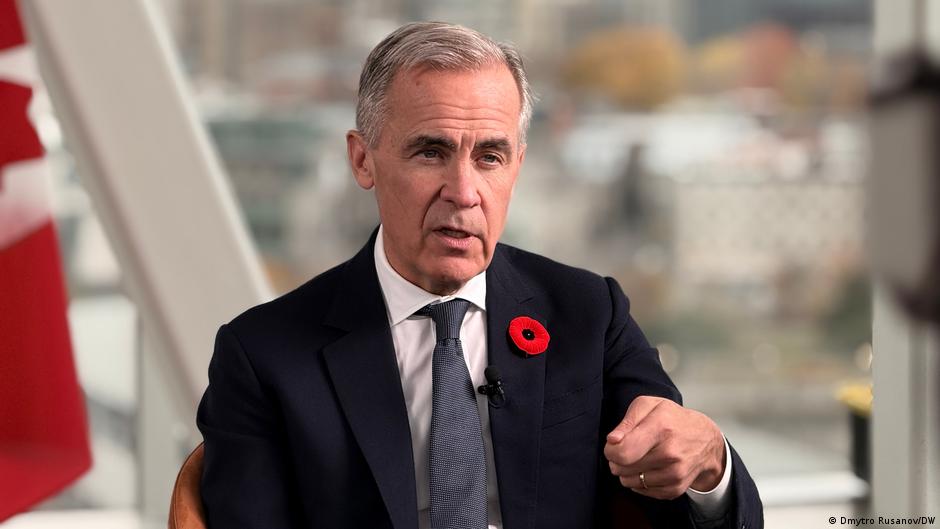
NEW DELHI [NCRBuzz Wire] — **Canadian statesman Mark Carney has explicitly stated that Canada must aggressively diversify its international partnerships to correct a historical overdependence on the United States.** Speaking on global trade vulnerabilities, Carney highlighted that heavy reliance on a single superpower exposes national economies to severe regulatory shifts and market shocks. The overarching motive behind Ottawa's new diplomatic outreach is mitigating economic risks tied to North American trade policies and securing alternative multilateral markets in Europe.
**To formalize this broader integration, Carney is advocating for an all-new associate membership model with the European Union, despite facing cautious pushback from capitals like Berlin.** This proposed framework seeks to bypass traditional bureaucratic hurdles while granting partner nations preferential access to European single-market benefits. European leaders, however, remain divided on extending institutional privileges without full political integration, underscoring the complexities of modern plurilateral trade agreements.
### Why It Matters: Indian Lens & Global Context
**For New Delhi, Canada's strategic recalibration offers a vital geopolitical parallel as India rigorously pursues bilateral trade agreements with the UK, EU, and EFTA to avoid single-market bottlenecks.** Just as Ottawa seeks to insulate its domestic industries from external trade shocks, India's Ministry of Commerce and Industry has accelerated efforts to diversify export destinations and secure critical supply chains across Indo-Pacific and European corridors. This proactive diversification is designed to safeguard India's macroeconomic stability against sudden tariff adjustments or protectionist headwinds originating from traditional Western partners.
**Furthermore, this North American shift mirrors domestic Indian policy debates surrounding strategic autonomy and economic self-reliance, commonly framed under the 'Aatmanirbhar Bharat' initiative.** Both instances stem from a shared root cause: the vulnerability of domestic manufacturing and energy grids to geopolitical friction and external supply chain chokepoints. While Canada looks eastward across the Atlantic to balance its trade portfolio, India balances multi-aligned partnerships across Western and Global South frameworks, ensuring maximum strategic latitude in an increasingly fragmented global order.
### What to Watch Next
**Geopolitical analysts and trade desk monitors must track the formal institutional response from the European Commission regarding the proposed associate membership status.** Key indicators of success will include whether European member states soften their resistance during upcoming bilateral summits and how trade volumes between Ottawa and Brussels evolve over the next fiscal quarters. For India, these developments serve as a critical benchmark for evaluating plurilateral trade flexibility and regional economic integration.
Canada historically conducts the vast majority of its international commerce through the United States, anchored by historical agreements like NAFTA and its successor USMCA. However, shifting geopolitical tides, protectionist trends, and supply chain disruptions have prompted Canadian policymakers to actively seek transatlantic alternatives.
Get Instant Delhi-NCR Breaking Alerts on WhatsApp
Traffic advisories, AQI alerts, Metro disruptions, and verified local civic updates. No spam.
You have reviewed or dismissed all fresh dispatches.