Executive News Wire
Fact-first intelligence synthesized across 12+ news agencies. Zero sensationalism.
Live Wire
CHRONOLOGICAL WIRE DISPATCHES
Fact-first intelligence synthesized across 12+ news agencies. Zero sensationalism.
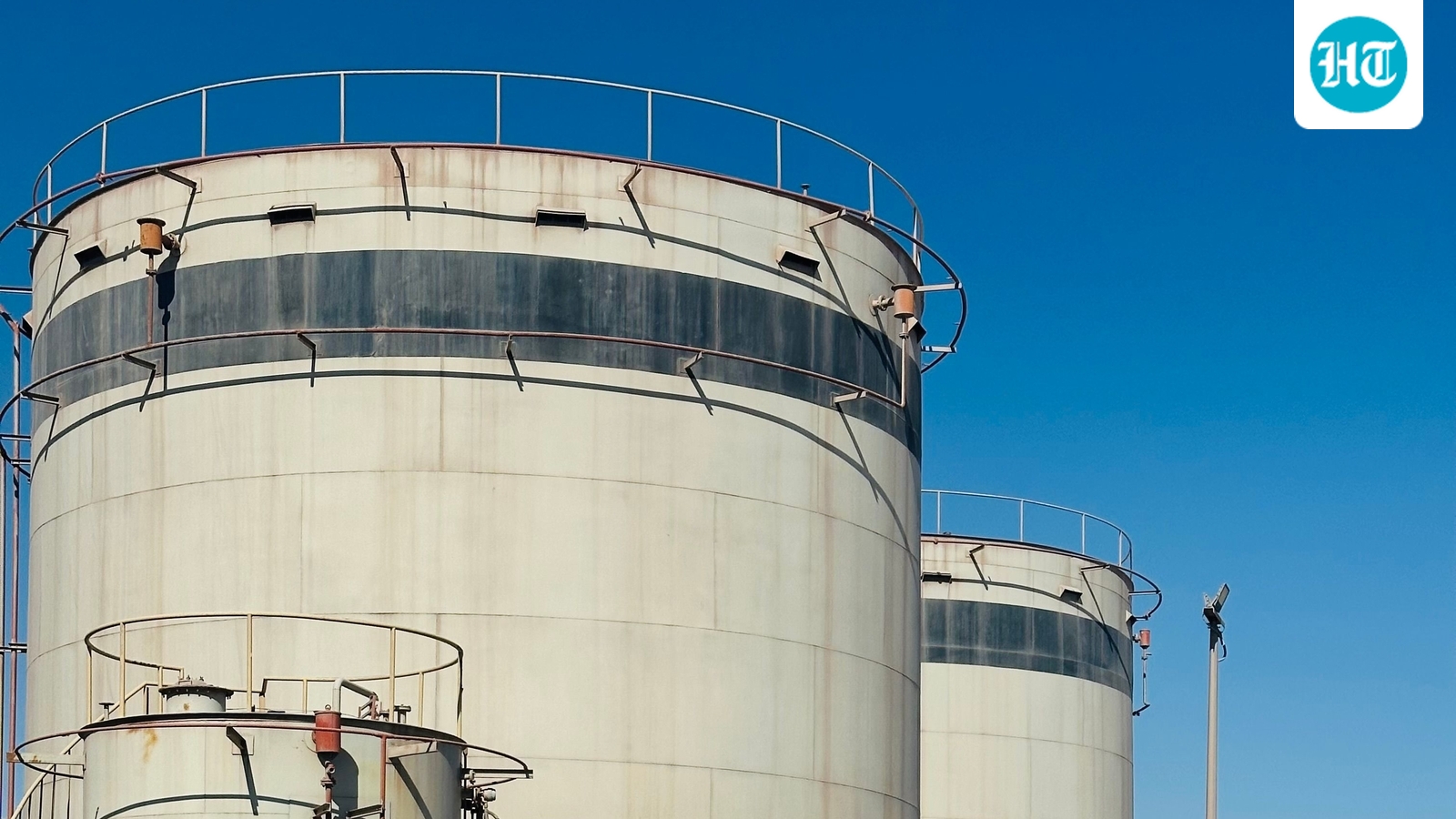
NEW DELHI [NCRBuzz Wire] — **Brent crude oil prices today climbed sharply to reach $104.50 per barrel as intensifying military confrontations involving Iran threatened major international energy supply chains.** The dramatic surge underscores the extreme vulnerability of strategic maritime choke points, particularly the Strait of Hormuz, through which a significant portion of the world's petroleum transits daily. Market observers are closely monitoring how multilateral diplomatic interventions and emergency reserves will interact with mounting geopolitical risks.
### Strategic Energy Market Metrics
| Energy Indicator / Metric | Current Market Valuation | Geopolitical Implication |
|---|---|---|
| Brent Crude Benchmark | $104.50 per Barrel | Reflects immediate supply anxiety and war risk premiums |
| Proposed US Diesel Deal | 2.25 Million Barrels | Intended to cushion refined product deficits in allied markets |
| Strait of Hormuz Transit | Critical Choke Point | Vulnerable to blockade threats and military escalation |
**The unfolding market crisis was further complicated by discussions surrounding a 2.25 million barrel diesel supply initiative championed by US President Donald Trump.** While proponents argue that the arrangement provides necessary macroeconomic buffer capacity to stabilize domestic and allied fuel economies, independent energy experts remain skeptical regarding its scaling capacity. Critics note that localized diesel injections cannot fully substitute for systematic, long-term crude flows if regional hostilities disrupt extraction and refinement infrastructure across the Persian Gulf.
### Multilateral Perspectives and India's Energy Security
**India, as a major net importer of crude oil, faces profound fiscal and strategic implications stemming from sustained triple-digit energy valuations.** Ministry of Petroleum and Natural Gas officials maintain that strategic petroleum reserves (SPR) and diversified import sourcing from non-Middle Eastern suppliers offer a robust cushion against short-term price shocks. However, diplomatic missions continue to advocate for de-escalation protocols through the United Nations Security Council to safeguard maritime freedom of navigation and stabilize global commerce.
**What lies ahead for global markets depends heavily on naval security measures implemented in regional waters and upcoming OPEC+ production adjustments.** International monitors will track whether diplomatic channels can successfully defuse tensions or if prolonged conflict will necessitate emergency consumption caps and accelerated green energy transitions.
Historically, geopolitical conflicts in the Middle East have repeatedly triggered acute energy shocks, testing multilateral diplomatic mechanisms such as UN resolutions and OPEC+ production coordination. India's heavy reliance on imported petroleum makes its fiscal deficit and domestic inflation acutely sensitive to maritime disruptions in the Persian Gulf and associated trade choke points.
Get Instant Delhi-NCR Breaking Alerts on WhatsApp
Traffic advisories, AQI alerts, Metro disruptions, and verified local civic updates. No spam.
You have reviewed or dismissed all fresh dispatches.