Executive News Wire
Fact-first intelligence synthesized across 12+ news agencies. Zero sensationalism.
Live Wire
CHRONOLOGICAL WIRE DISPATCHES
Fact-first intelligence synthesized across 12+ news agencies. Zero sensationalism.
NEW DELHI [NCRBuzz Wire] — ### What Happened: The Verified Facts
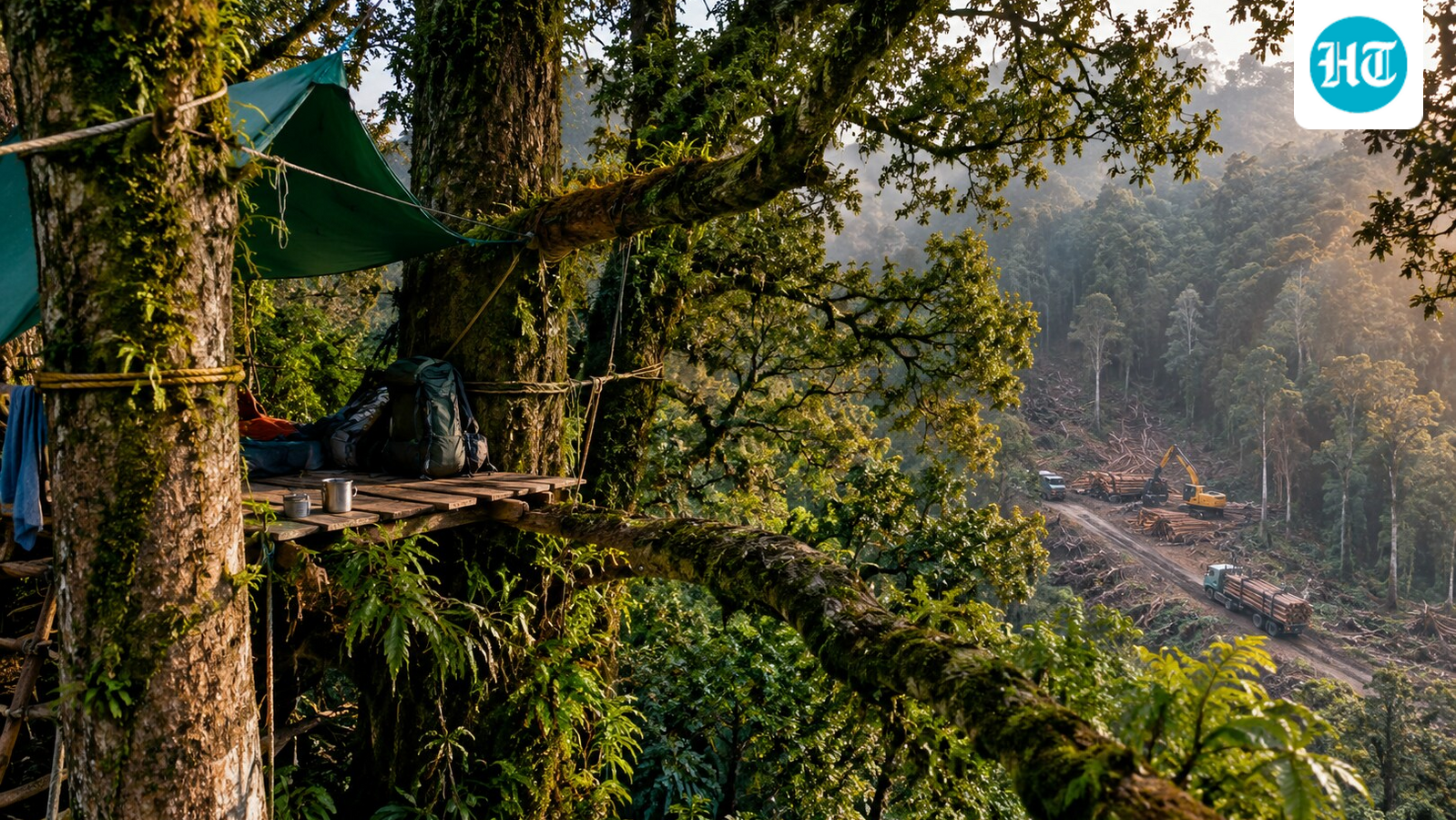
**In 1978, botanist Stephen King and a group of fellow conservationists staged a high-profile protest by camping inside the ancient tōtara tree canopy of New Zealand's Pureora Forest.** The direct action protest was organized to physically obstruct government-backed commercial logging operations that were destroying fragile native ecosystems. **The civil disobedience and public pressure generated by these canopy camps forced an immediate temporary suspension of logging operations in 1978, which ultimately culminated in a permanent government ban on native forest logging by 1983.** Historical records from Hindustan Times World confirm that this grassroots environmental mobilization transformed national conservation policy and saved centuries-old indigenous flora.
### Why It Matters: Indian Lens & Global Context
**This historical environmental protest shares striking strategic and philosophical parallels with India's indigenous grassroots ecological movements, most notably the Chipko movement of the 1970s.** When communities and activists in Uttarakhand physically hugged trees to prevent commercial contractors from felling them, it mirrored the direct action tactics deployed by Stephen King and his peers in the Pureora canopy. Both movements reflect a universal struggle against state-sanctioned ecological degradation, where local populations and scientists utilized non-violent occupation to challenge dominant commercial exploitation paradigms.
**From a strategic and geopolitical standpoint, global forest preservation precedents directly influence international climate governance, biodiversity frameworks, and India's domestic environmental commitments under multilateral treaties.** As India navigates complex policy balances between infrastructure expansion, industrial growth, and stringent forest conservation under the Forest (Conservation) Amendment Act, historical precedents of canopy-level resistance highlight the vital role of grassroots civil action in shaping statutory environmental protections. Both New Zealand's historical shift and India's domestic legal challenges underline the continuous friction between commercial resource extraction and long-term ecological security.
### What Lies Ahead: Impact & Next Steps
**The legacy of the Pureora forest protests continues to inform modern conservation frameworks, indigenous land rights negotiations, and climate resilience strategies globally.** Environmental ministries and regulatory bodies in both New Zealand and India are increasingly integrating strict ecological impact assessments and indigenous consultative mechanisms into public policy. Observers and policy analysts will monitor how contemporary climate litigation and green financing frameworks incorporate historical lessons from grassroots environmental interventions to prevent illegal deforestation and protect vital carbon sinks.
The 1978 Pureora Forest protest represents a watershed moment in environmental history, shifting public policy toward native forest preservation and inspiring international grassroots ecological campaigns against commercial resource extraction.
Get Instant Delhi-NCR Breaking Alerts on WhatsApp
Traffic advisories, AQI alerts, Metro disruptions, and verified local civic updates. No spam.
You have reviewed or dismissed all fresh dispatches.