Executive News Wire
Fact-first intelligence synthesized across 12+ news agencies. Zero sensationalism.
Live Wire
CHRONOLOGICAL WIRE DISPATCHES
Fact-first intelligence synthesized across 12+ news agencies. Zero sensationalism.
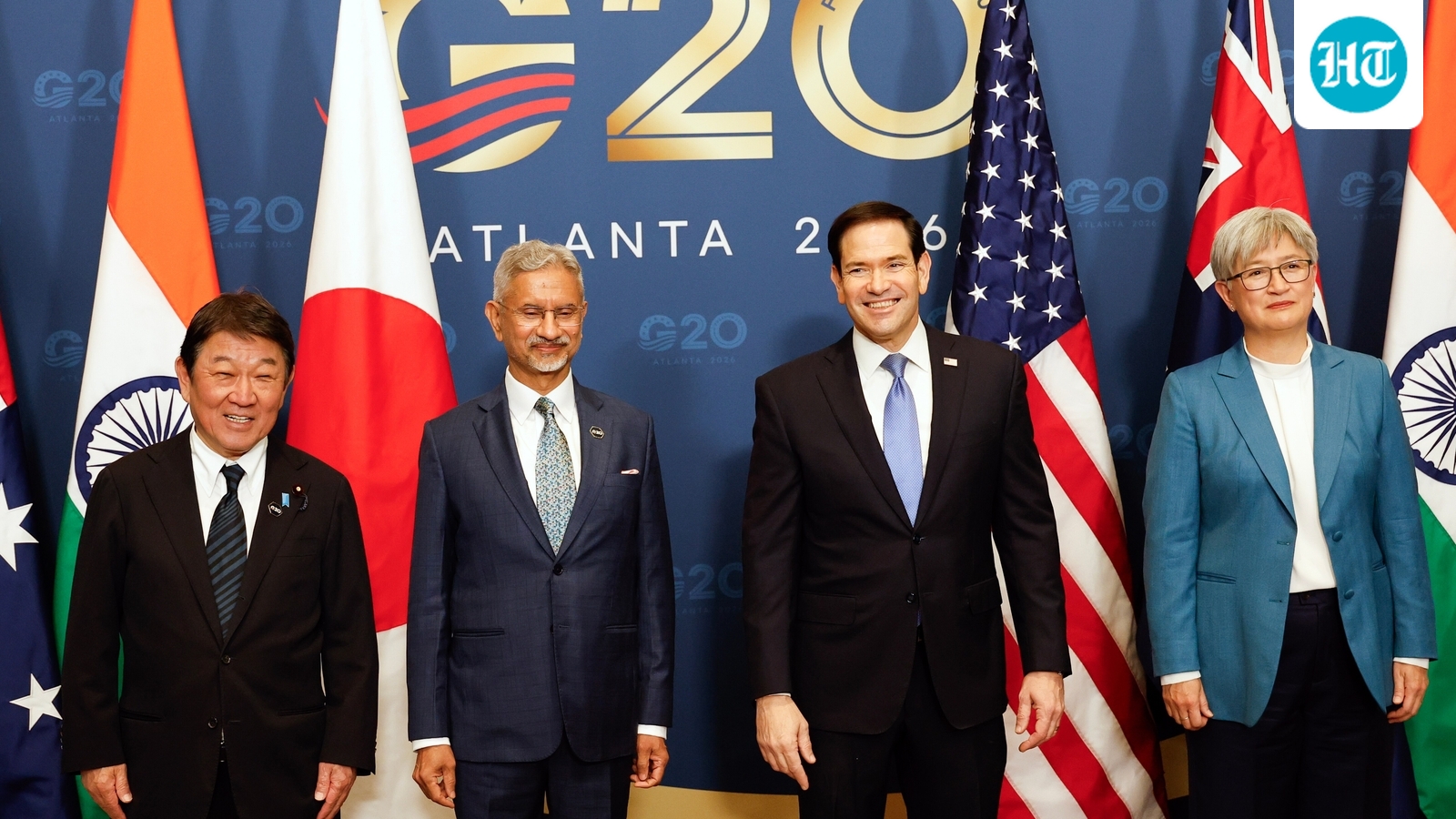
NEW DELHI [NCRBuzz Wire] — **The Quadrilateral Security Dialogue has issued a stern joint condemnation targeting restrictive export curbs and the volatile closure of the Strait of Hormuz, directly impacting international trade flows and global energy architecture.** This diplomatic escalation highlights growing international friction over critical supply chains, resource nationalism, and maritime transit chokepoints that dictate modern macroeconomic stability.
### Geopolitical Chokepoints and Trade Vulnerabilities
**Global supply chains face renewed instability as the Quad addresses unilateral trade restrictions and maritime bottlenecks that choke vital shipping lanes.** The disruption in the Strait of Hormuz—a primary artery for global petroleum transit—alongside sudden export bans on critical raw materials, threatens to trigger inflationary spirals across developing economies worldwide.
### Why It Matters: Indian Lens & Global Context
**These developments bear direct and immediate consequences for India's strategic autonomy, energy security, and domestic industrial growth.** As a rapidly expanding economy reliant on external imports, India procures a significant majority of its crude oil, liquefied natural gas, and agricultural fertilizers through the Persian Gulf corridor. Any restriction in these maritime passages or imposition of unilateral export controls directly strains India's current account deficit, elevates domestic retail fuel prices, and disrupts agricultural productivity dependent on steady fertilizer imports.
**Domestically, India faces parallel structural vulnerabilities regarding critical mineral dependencies and supply chain resilience that mirror broader global regulatory disputes.** Just as international forums grapple with resource nationalism and trade protectionism, India is actively navigating domestic supply bottlenecks through strategic domestic mining reforms, production-linked incentive schemes, and diversifying bilateral trade pacts. The underlying motive driving both the global diplomatic push and India's domestic policy adjustments is the urgent need to insulate national economies from external geopolitical coercion and commodity weaponization.
### What to Watch Next
**Observers and market analysts must monitor forthcoming multilateral trade statements, maritime security patrols in the Indo-Pacific, and bilateral energy pacts forged by New Delhi.** The trajectory of these diplomatic negotiations will dictate whether international bodies can establish enforceable norms against resource hoarding and unilateral maritime blockades.
The Quad has increasingly evolved from a maritime security dialogue into a comprehensive geopolitical platform addressing supply chain resilience, critical technologies, and regional trade security across the Indo-Pacific.
Get Instant Delhi-NCR Breaking Alerts on WhatsApp
Traffic advisories, AQI alerts, Metro disruptions, and verified local civic updates. No spam.
You have reviewed or dismissed all fresh dispatches.