Executive News Wire
Fact-first intelligence synthesized across 12+ news agencies. Zero sensationalism.
Live Wire
CHRONOLOGICAL WIRE DISPATCHES
Fact-first intelligence synthesized across 12+ news agencies. Zero sensationalism.
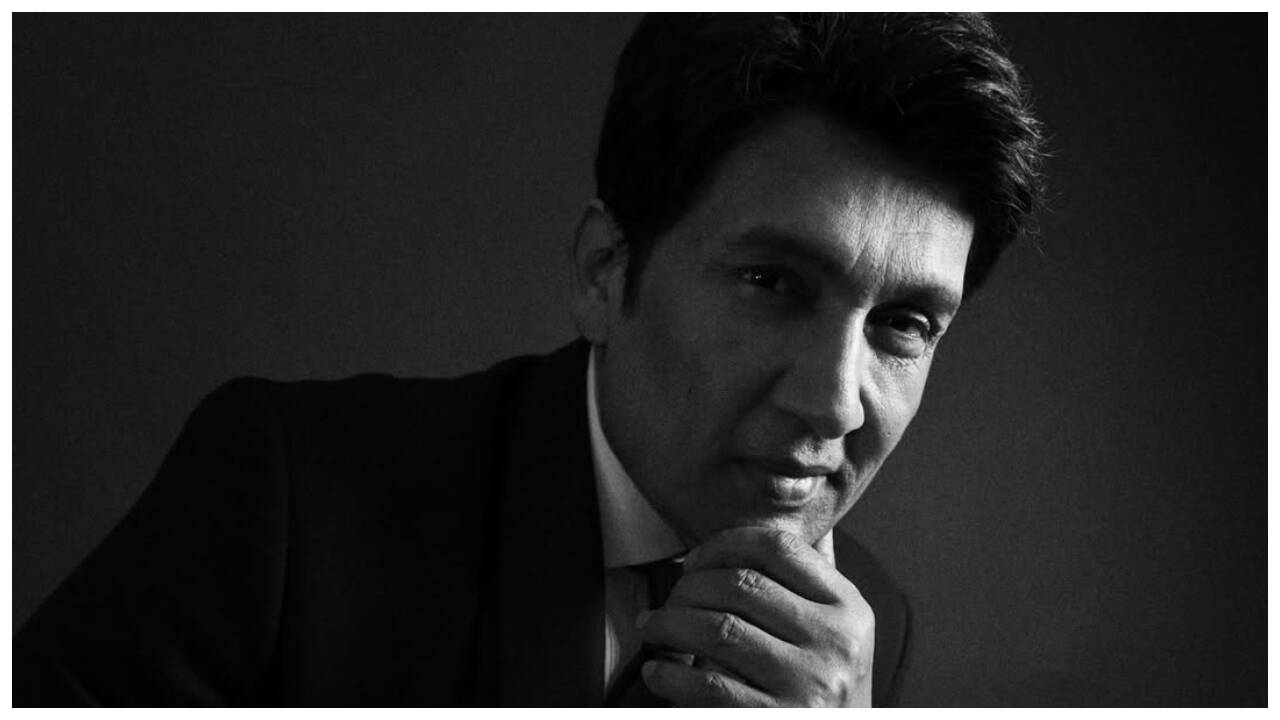
NEW DELHI [NCRBuzz Wire] — **Actor and public figure Shekhar Suman has voiced strong support for the ongoing CJP protests, asserting that collective dissent remains a fundamental pillar of a functioning democracy when carried out peacefully.** Speaking during a recent media interaction, Suman highlighted that peaceful demonstrations are legitimate instruments for citizens and political groups to register grievances.
**The underlying trigger for these public demonstrations stems from ongoing political friction and challenges raised by opposition parties regarding institutional credibility.** Addressing these tensions, Suman invoked Mahatma Gandhi’s historical framework of peaceful non-cooperation and collective action as the standard for legitimate democratic dissent. He noted that peaceful public assemblies are necessary to ensure accountability and give voice to public discontent.
**Stakeholder perspectives on the legitimacy of public agitations continue to draw mixed reactions across the political spectrum.** Proponents of the demonstrations argue that peaceful protests are constitutionally protected under Article 19 of the Constitution of India, safeguarding freedom of speech and expression as well as the right to assemble peaceably. Conversely, critics and administrative authorities frequently caution against potential public disruption, traffic bottlenecks, and law-and-order challenges that often accompany large-scale mobilizations.
| Metric / Aspect | Details |
|---|---|
| Core Subject | Support for CJP protests |
| Key Proponent | Shekhar Suman |
| Philosophical Basis | Mahatma Gandhi's principles of peaceful dissent |
| Constitutional Reference | Article 19 (Freedom of Speech and Assembly) |
**Observers and legal analysts emphasize that while the right to peaceful protest is legally protected, maintaining public order remains a primary statutory obligation for law enforcement agencies.** Future developments will likely depend on how organizers manage crowd control and whether administrative bodies balance security protocols with constitutional rights to free assembly.
The right to peaceful protest is enshrined under Article 19(1)(a) and Article 19(1)(b) of the Constitution of India, subject to reasonable restrictions imposed in the interests of the sovereignty, integrity, and public order of the nation. Public demonstrations and political dissents have historically served as core components of India's democratic framework, balancing executive action with citizen accountability.
Get Instant Delhi-NCR Breaking Alerts on WhatsApp
Traffic advisories, AQI alerts, Metro disruptions, and verified local civic updates. No spam.
You have reviewed or dismissed all fresh dispatches.