Executive News Wire
Fact-first intelligence synthesized across 12+ news agencies. Zero sensationalism.
Live Wire
CHRONOLOGICAL WIRE DISPATCHES
Fact-first intelligence synthesized across 12+ news agencies. Zero sensationalism.
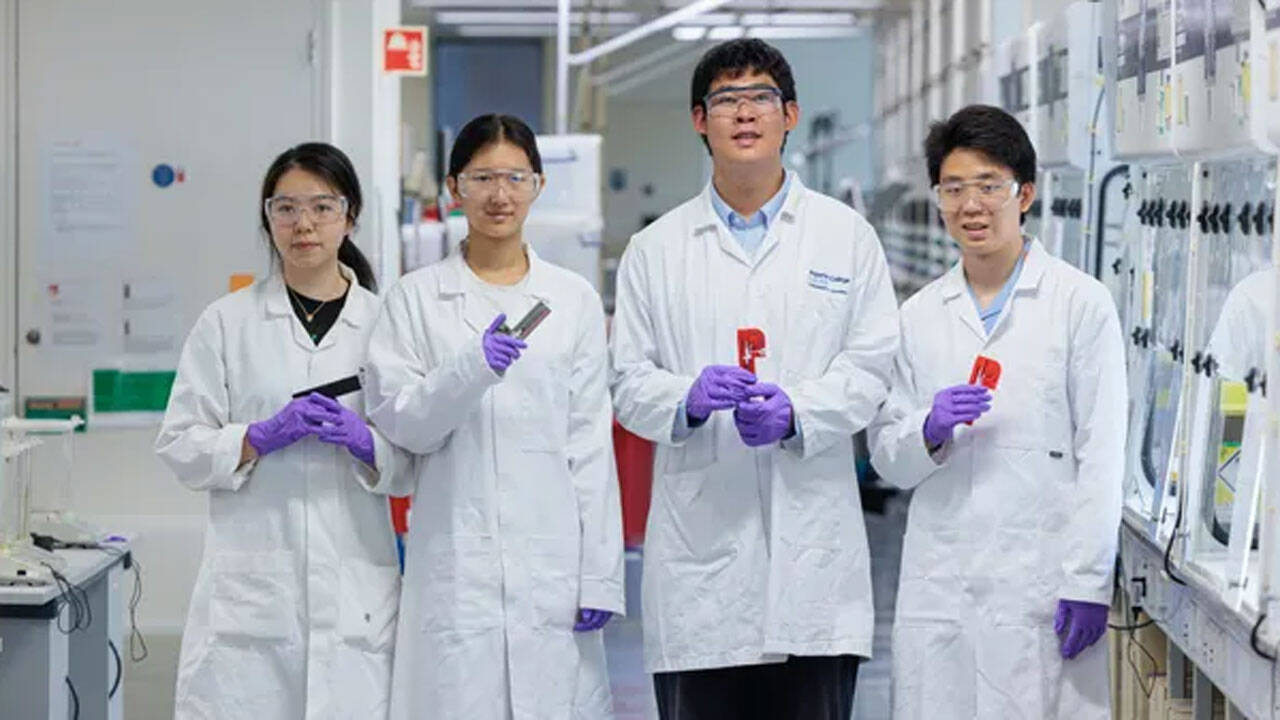
NEW DELHI [NCRBuzz Wire] — **Four first-year engineering students at Imperial College London have engineered a $5 electricity-free device designed to detect and track hazardous freeze exposure in vaccine shipments.** This breakthrough addresses a critical gap in global public health logistics where temperature-sensitive medicines often degrade silently without visual indicators.
### Innovation Metrics and Competition Details
**The student innovation team, operating under the name Kalyb, secured the top prize of £7,000 at the university's Make-A-Difference! competition.** Their low-cost diagnostic tool aims to prevent compromised vaccines from reaching vulnerable populations in regions lacking stable electrical grids.
| Metric Category | Details | Clinical Impact |
|---|---|---|
| Device Cost | $5 USD per unit | Scalable for mass distribution in developing regions |
| Power Requirement | Zero electricity (Passive chemical indicator) | Operates reliably in remote off-grid locations |
| Field Trial Target | Nigeria (Scheduled for April 2027) | Real-world validation under tropical and rural transport conditions |
### Future Outlook and Implementation Strategy
**Following their recent competition victory, the team is scaling up prototype manufacturing and preparing for rigorous international field evaluations.** Public health experts note that implementing reliable freeze-monitoring technology could substantially optimize immunization schedules and protect children from receiving ineffective doses.
### Why It Matters: Indian Lens & Global Context
**The development of low-cost, decentralized medical tracking technologies holds profound implications for India's expansive public health distribution networks and cold-chain infrastructure.** As India continues to ramp up universal immunisation programs across remote rural terrains and hilly geographies, maintaining strict temperature controls during vaccine transit remains a persistent logistical hurdle.
**Domestically, Indian academic institutions and student innovators are increasingly supported by government initiatives like NITI Aayog's Atal Innovation Mission to solve similar grassroots bottlenecks.** Both global student-led solutions and India's domestic biomedical engineering efforts stem from an urgent need to overcome infrastructural limitations, ensuring life-saving interventions reach marginalized populations without prohibitive costs.
Cold-chain failures during vaccine transport cause significant wastage globally, particularly in tropical regions and areas lacking reliable electrical infrastructure, prompting researchers to seek passive, low-cost monitoring alternatives.
Get Instant Delhi-NCR Breaking Alerts on WhatsApp
Traffic advisories, AQI alerts, Metro disruptions, and verified local civic updates. No spam.
You have reviewed or dismissed all fresh dispatches.