Executive News Wire
Fact-first intelligence synthesized across 12+ news agencies. Zero sensationalism.
Live Wire
CHRONOLOGICAL WIRE DISPATCHES
Fact-first intelligence synthesized across 12+ news agencies. Zero sensationalism.
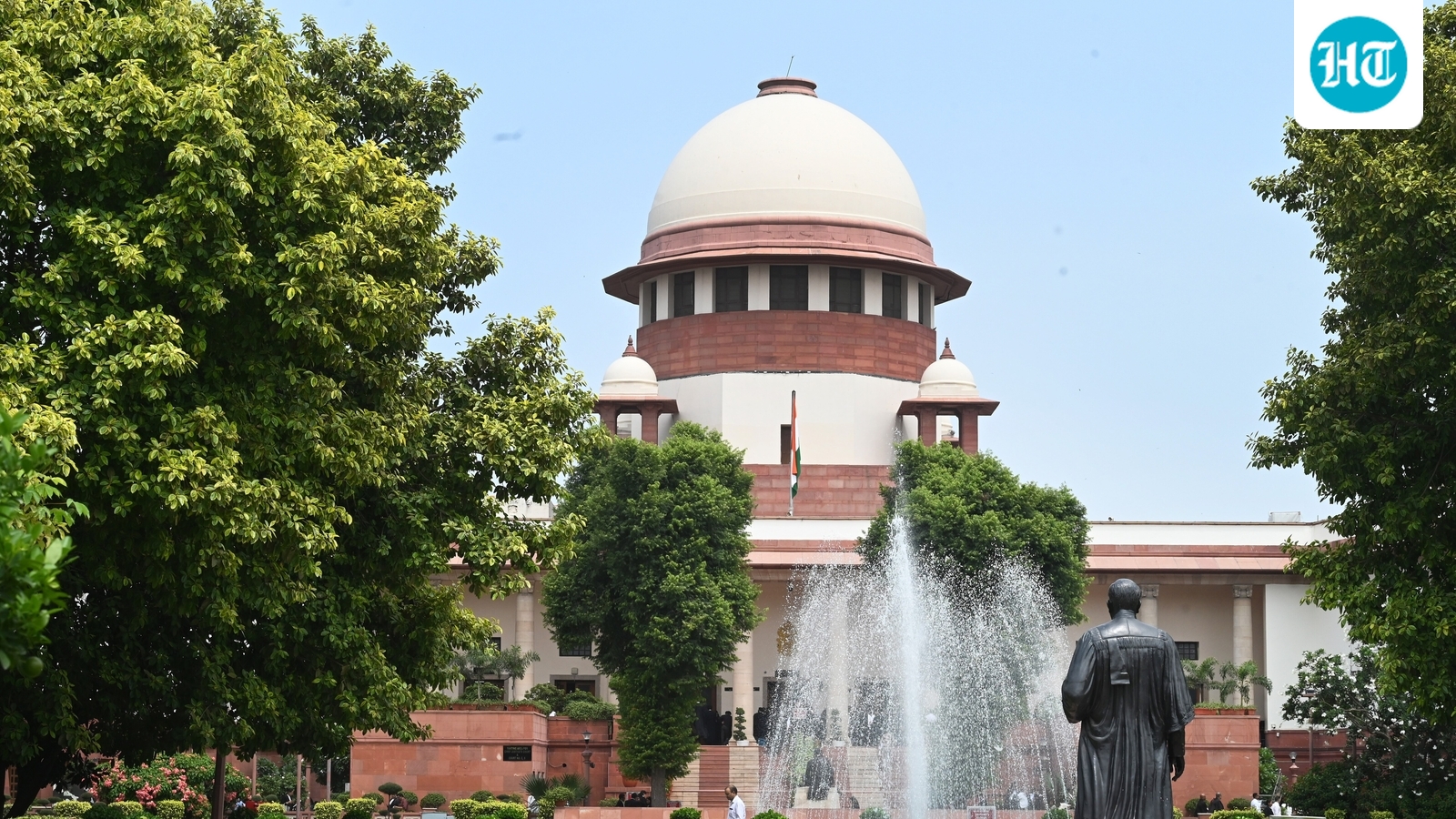
NEW DELHI [NCRBuzz Wire] — **NEW DELHI [NCRBuzz Wire] — The Supreme Court of India has agreed to hear a crucial plea seeking the removal of a judicial officer facing rape prosecution from presiding over a Protection of Children from Sexual Offences (POCSO) court.** Supreme court agrees to hear petitions scrutinizing judicial assignments when criminal proceedings are pending against officers of the court, raising significant questions regarding administrative propriety and statutory safeguards.
**The bench issued formal notice on the special leave petition challenging the previous high court order that had dismissed the survivor's plea.** According to the case details, the petitioner had sought to restrain the accused judge from discharging judicial duties, arguing a conflict of interest and apprehension of bias in sensitive child sexual abuse cases.
**Constitutional provisions and judicial accountability frameworks under Article 136 and administrative rules govern the assignment of judges facing criminal indictments.** Legal experts note that balancing the presumption of innocence with public confidence in the judiciary remains a central challenge for administrative high courts responsible for roster allocation.
### What Lies Ahead: Impact & Next Steps
**The Supreme Court is slated to examine the statutory parameters governing judicial posting and administrative control over subordinate judiciary members facing criminal trial.** Stakeholders and legal observers await the detailed response from the respondents as the apex court reviews the boundaries of administrative discretion exercised by high courts in managing judicial rosters.
The matter stems from administrative decisions by high courts regarding roster allocation when subordinate judges face criminal charges. Under constitutional and statutory frameworks, high courts exercise administrative control over district and subordinate judiciaries pursuant to Article 235 of the Constitution of India.
Get Instant Delhi-NCR Breaking Alerts on WhatsApp
Traffic advisories, AQI alerts, Metro disruptions, and verified local civic updates. No spam.
You have reviewed or dismissed all fresh dispatches.