Executive News Wire
Fact-first intelligence synthesized across 12+ news agencies. Zero sensationalism.
Live Wire
CHRONOLOGICAL WIRE DISPATCHES
Fact-first intelligence synthesized across 12+ news agencies. Zero sensationalism.
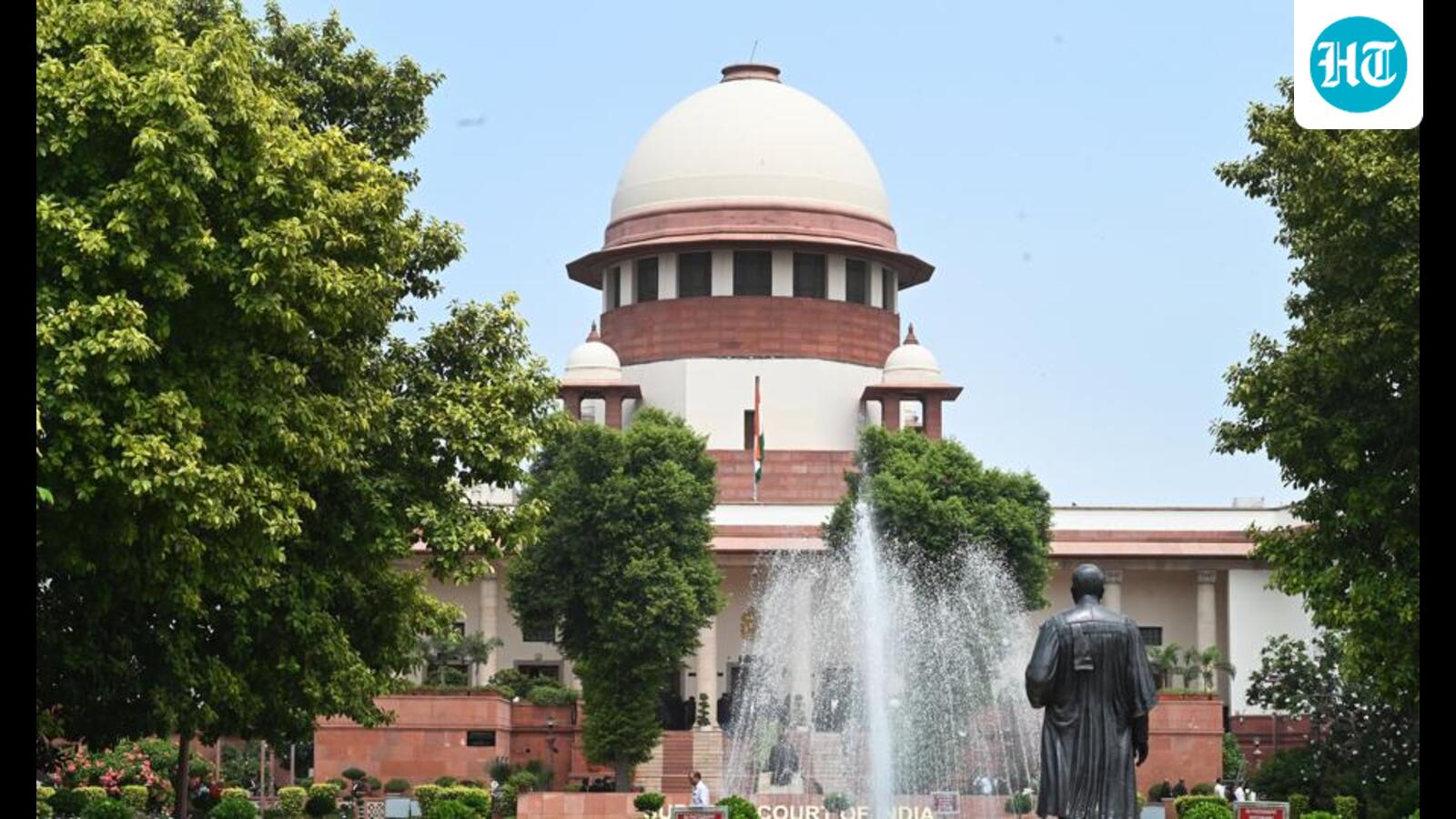
NEW DELHI [NCRBuzz Wire] — ### Supreme Court Directives on Sexual Assault Settlements
**NEW DELHI [NCRBuzz Wire] — The Supreme Court of India has formally flagged profound judicial concerns regarding out-of-court settlements in rape and sexual assault trials.** In expressing its observations, the apex court bench underscored that compromises or financial settlements in such heinous criminal matters are frequently propelled by external intimidation, systemic coercion, or undue social pressure exerted by the accused parties.
### Statutory Framework and Judicial Precedents
**Legal experts and constitutional analysts note that under the prevailing provisions of the Code of Criminal Procedure and the Bharatiya Nagarik Suraksha Sanhita, heinous offenses categorized as non-compoundable cannot be legally resolved through private arbitration or victim compromise.** The judiciary reiterated that allowing extra-judicial settlements in such cases undermines statutory mandates, weakens public trust in the administration of criminal justice, and contravenes foundational constitutional protections guaranteed under Article 21 of the Constitution of India.
### Stakeholder Perspectives and Institutional Response
**Legal practitioners, women's rights advocates, and defense counsels have offered diverse perspectives on the implications of judicial strictures regarding case settlements.** Proponents of strict non-compoundability argue that compromises trivialize severe trauma and violate statutory prohibitions. Conversely, certain defense circles emphasize the necessity of evaluating individual factual matrices where prolonged trials impose socio-economic strains, though courts maintain that statutory gravity overrides procedural delays.
### What to Watch Next
**Legal observers are closely tracking upcoming directions from various High Courts regarding the expedited disposal of pending sexual assault trials without procedural shortcuts.** The apex court's observations are expected to serve as binding persuasive precedent for trial courts nationwide, ensuring that criminal liability in non-compoundable offenses is adjudicated strictly through established statutory due process.
Under Indian criminal jurisprudence, offenses such as rape (Section 64 of the Bharatiya Nyaya Sanhita, formerly Section 376 of the Indian Penal Code) are classified as heinous and non-compoundable, meaning they cannot be settled privately between parties without statutory bar.
Get Instant Delhi-NCR Breaking Alerts on WhatsApp
Traffic advisories, AQI alerts, Metro disruptions, and verified local civic updates. No spam.
You have reviewed or dismissed all fresh dispatches.