Executive News Wire
Fact-first intelligence synthesized across 12+ news agencies. Zero sensationalism.
Live Wire
CHRONOLOGICAL WIRE DISPATCHES
Fact-first intelligence synthesized across 12+ news agencies. Zero sensationalism.
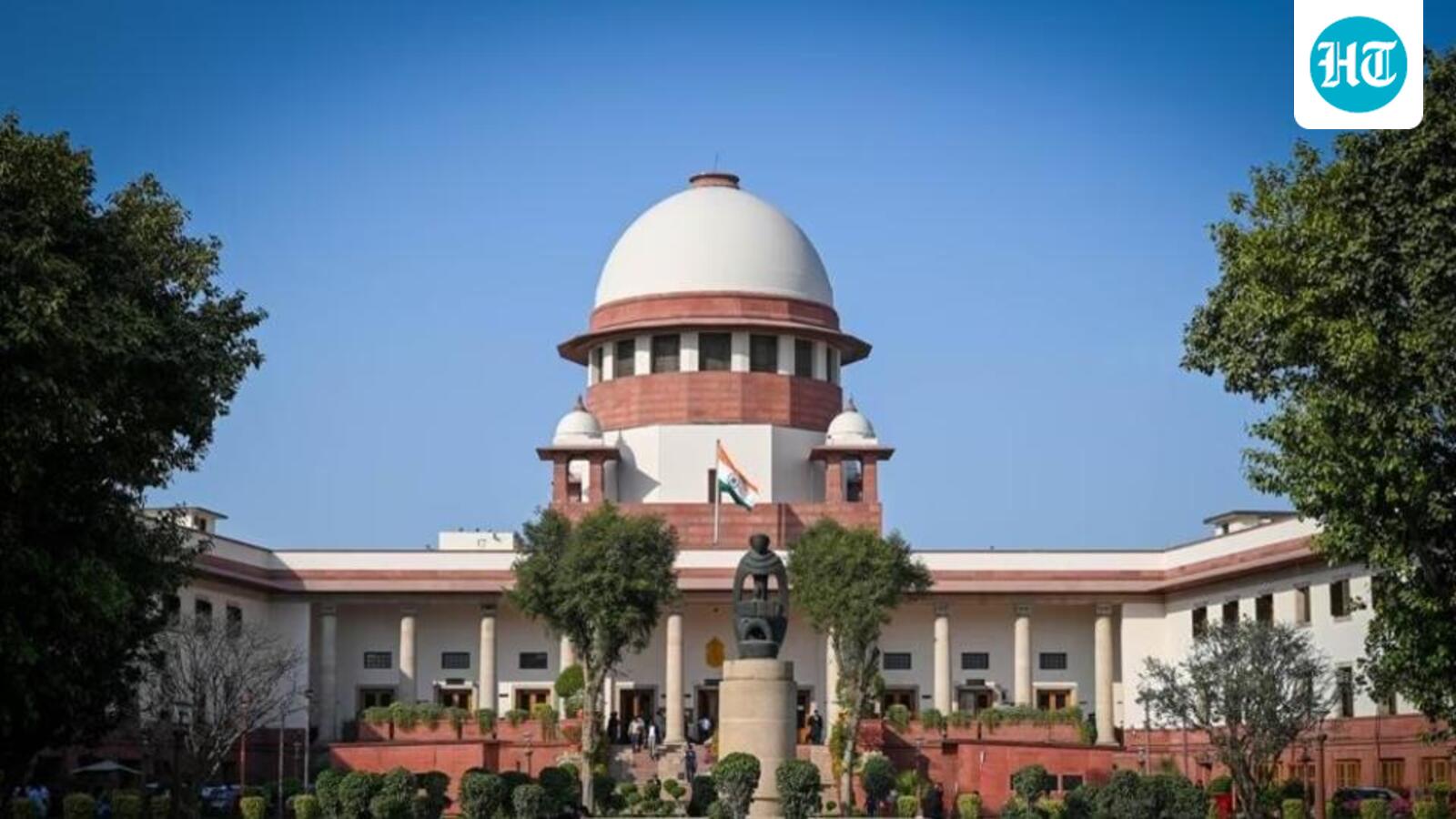
NEW DELHI [NCRBuzz Wire] — **The Supreme Court on Wednesday formally quashed a controversial directive issued by the Uttar Pradesh police demanding the social media data and digital footprints of a journalist who reported on an Ayodhya temple theft.** A bench comprising senior justices ruled that executive overreach targeting investigative reporting infringes upon foundational democratic liberties guaranteed under the Constitution of India.
**The underlying trigger for the police notice was a news report published by the journalist concerning an alleged theft incident at an Ayodhya temple, which prompted local law enforcement to seek comprehensive digital logs and personal communication records.** The petitioner challenged the police summons, arguing that compelling media personnel to reveal digital footprints and confidential information sources amounts to intimidation and a direct assault on the freedom of the press under Article 19(1)(a).
**Legal experts, civil liberties organizations, and journalists' associations welcomed the ruling as a vital safeguard for reporting in sensitive jurisdictions.** Conversely, representatives of state administration and law enforcement argued during proceedings that investigative steps were undertaken to verify information authenticity and maintain public order in sensitive areas.
### Case Overview and Legal Parameters
| Case Metric / Parameter | Details |
|---|---|
| Court Bench | Supreme Court of India |
| Challenged Action | UP Police Notice for Social Media Data |
| Primary Grievance | State overreach and intimidation of investigative reporting |
| Constitutional Provision | Article 19(1)(a) - Freedom of Speech and Expression |>
**Observing strict constitutional parameters, the apex court directed all law enforcement agencies to adhere to established judicial guidelines before issuing notices to media professionals.** Legal analysts noted that future investigations involving journalists must carefully balance criminal procedure mandates with constitutional protections afforded to news gatherers.
The case highlights recurring tensions between state investigative powers and the constitutionally protected freedom of the press, particularly when reporting on sensitive local incidents or public institutions.
Get Instant Delhi-NCR Breaking Alerts on WhatsApp
Traffic advisories, AQI alerts, Metro disruptions, and verified local civic updates. No spam.
You have reviewed or dismissed all fresh dispatches.