Executive News Wire
Fact-first intelligence synthesized across 12+ news agencies. Zero sensationalism.
Live Wire
CHRONOLOGICAL WIRE DISPATCHES
Fact-first intelligence synthesized across 12+ news agencies. Zero sensationalism.
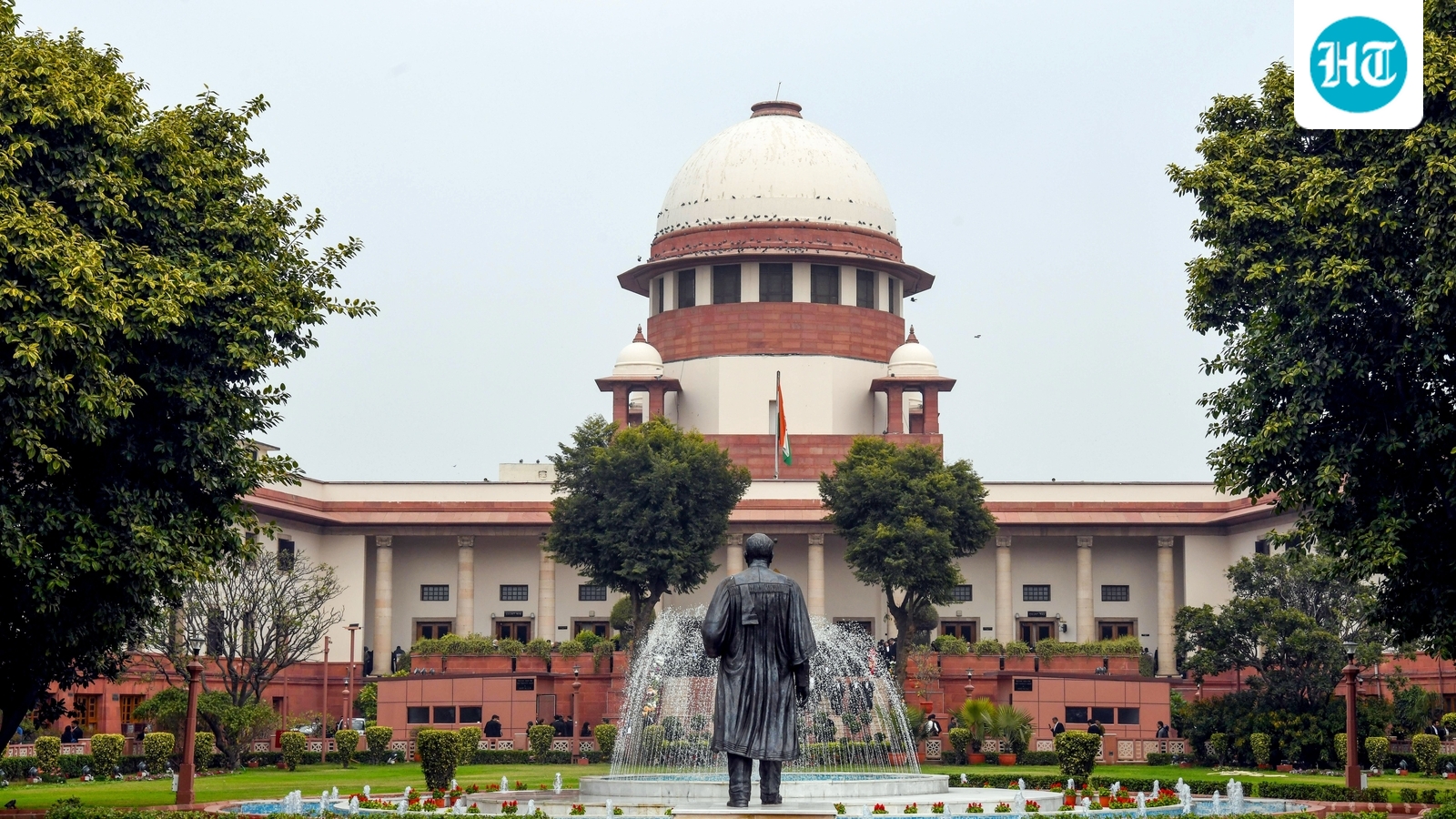
NEW DELHI [NCRBuzz Wire] — ### **NEW DELHI [NCRBuzz Wire] — The Supreme Court of India has formally initiated a suo motu contempt proceeding following representations filed by two legal practitioners over a critical social media post published by Kerala Congress targeting Chief Justice Surya Kant.**
**Converting the separate representations into a collective petition on Friday, the apex court registry has tentatively listed the matter for formal hearing on November 6.** The underlying motive prompting this judicial intervention involves safeguarding institutional integrity and maintaining the sanctity of judicial independence against public attacks on the judiciary.
### **Background and Political Reactions**
**The controversy erupted after the Kerala unit of the Indian National Congress shared a social media post on platform X that drew severe criticism from various legal quarters, eventually leading to a formal party apology.** Statutory provisions governing contempt of court, specifically under the Contempt of Courts Act, 1971, empower the Supreme Court to take cognisance of actions that scandalize or tend to scandalize, or lower the authority of, any court.
**Political responses to the development reflect sharp divisions across party lines, with the Bharatiya Janata Party (BJP) terming the Congress party's subsequent apology as mere political hypocrisy.** Conversely, opposition representatives emphasize the paramount importance of balancing freedom of speech under Article 19(1)(a) of the Constitution of India with the constitutional accountability and respect owed to judicial institutions.
### **What to Watch Next**
**Legal analysts and constitutional experts are closely monitoring the Supreme Court registry updates and the upcoming November 6 hearing to ascertain the scope of the proceedings.** Citizens seeking specific administrative details can reference official supreme court registry notifications and filings available through authorized channels.
Under the Contempt of Courts Act, 1971, and Article 129 of the Constitution of India, the Supreme Court has the power to punish for its contempt, ensuring that public discourse respects judicial independence and institutional authority.
Get Instant Delhi-NCR Breaking Alerts on WhatsApp
Traffic advisories, AQI alerts, Metro disruptions, and verified local civic updates. No spam.
You have reviewed or dismissed all fresh dispatches.