Executive News Wire
Fact-first intelligence synthesized across 12+ news agencies. Zero sensationalism.
Live Wire
CHRONOLOGICAL WIRE DISPATCHES
Fact-first intelligence synthesized across 12+ news agencies. Zero sensationalism.
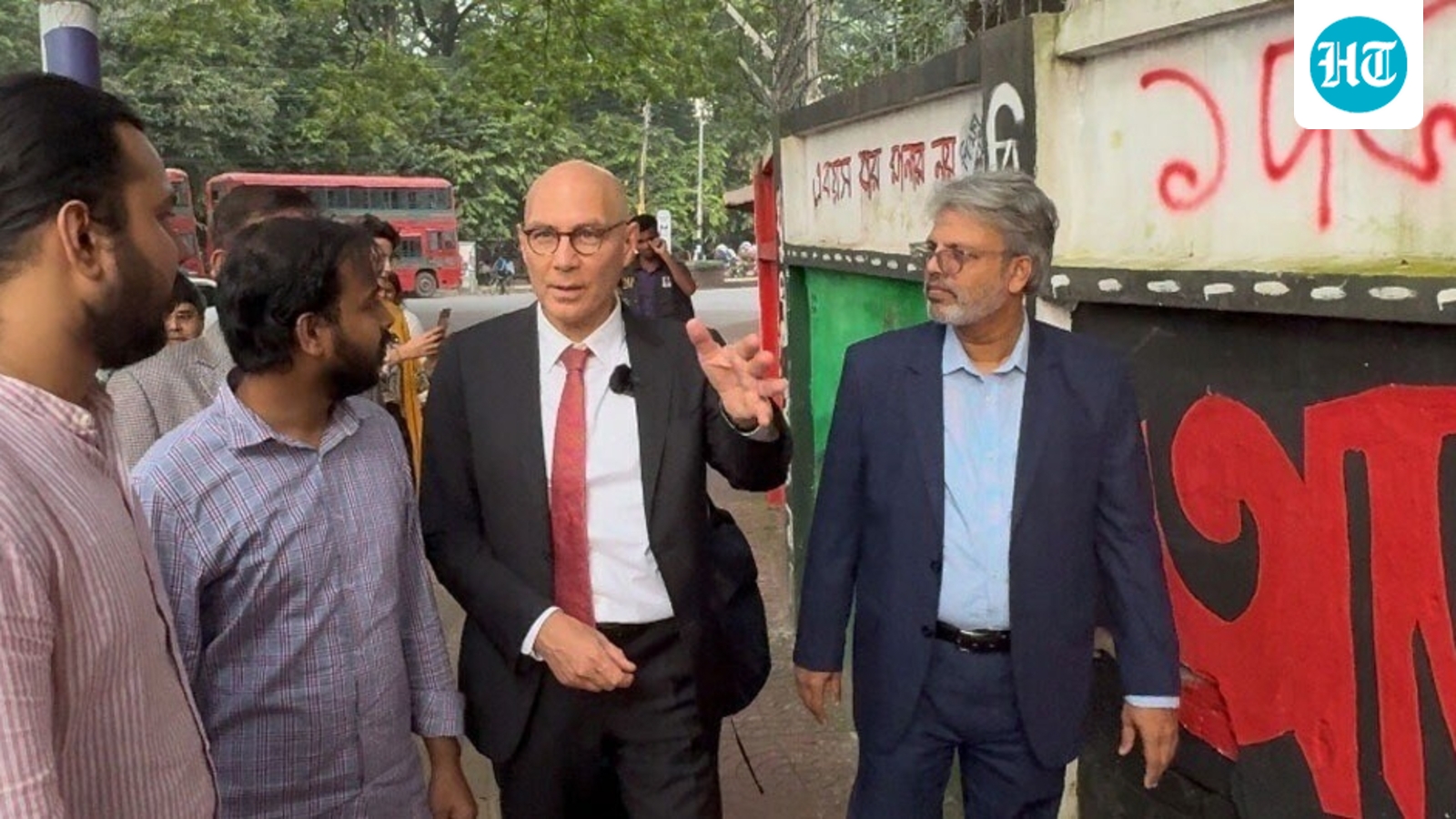
NEW DELHI [NCRBuzz Wire] — ### UN Human Rights Chief Volker Türk Faces Scrutiny Over Selective Statements
**United Nations High Commissioner for Human Rights Volker Türk has encountered renewed diplomatic friction following selective public pronouncements concerning internal matters in India and Bangladesh.** The strategic commentary provided by the UN official has raised questions regarding multilateral consistency, particularly among regional observers monitoring cross-border stability. Diplomatic stakeholders in New Delhi have repeatedly maintained that international bodies must apply uniform standards when addressing human rights, governance, and domestic policy frameworks across sovereign states.
**The primary trigger for the ongoing diplomatic friction stems from Türk's vocal interventions on domestic judicial and political developments in India, which contrasted sharply with his muted public response to severe minority persecution incidents in Bangladesh.** Regional analysts and foreign policy experts argue that selective scrutiny undermines the credibility of international human rights architecture. The lack of balanced institutional reporting on broader South Asian geopolitical dynamics has consequently fueled intense debates within multilateral summits and international legal forums.
### Multilateral Implications and Strategic Context
| Diplomatic Metric / Aspect | Institutional Assessment & Overview |
|---|---|
| Primary Focus Entity | UN Human Rights Chief Volker Türk and Office of the UN High Commissioner for Human Rights |
| Key Stakeholder Concerns | Consistency, neutrality, and non-selectivity in multilateral human rights interventions |
| Regional Impact Zones | South Asian multilateral diplomacy involving India, Bangladesh, and Pakistan |>
**What triggered the diplomatic friction?** The friction was triggered by Volker Türk's selective public critiques regarding India's domestic legal and political environment while simultaneously omitting comprehensive commentary on documented violence against minority communities in Bangladesh and Pakistan.
**What are the primary demands or grievances of the concerned stakeholders?** Member states and diplomatic observers are demanding absolute institutional neutrality, objective fact-finding missions, and non-discriminatory application of international human rights standards across all sovereign nations without geopolitical bias.
**What is the current status or official response?** Sovereign capitals continue to engage through bilateral diplomatic channels and international forums to press for comprehensive institutional reforms within multilateral human rights bodies to ensure equitable global oversight.
Multilateral diplomacy in South Asia frequently intersects with international human rights reporting. Sovereign nations like India have historically emphasized domestic judicial independence and non-interference, cautioning against selective international commentary that fails to account for comprehensive regional security and minority protection realities.
Get Instant Delhi-NCR Breaking Alerts on WhatsApp
Traffic advisories, AQI alerts, Metro disruptions, and verified local civic updates. No spam.
You have reviewed or dismissed all fresh dispatches.