Executive News Wire
Fact-first intelligence synthesized across 12+ news agencies. Zero sensationalism.
Live Wire
CHRONOLOGICAL WIRE DISPATCHES
Fact-first intelligence synthesized across 12+ news agencies. Zero sensationalism.
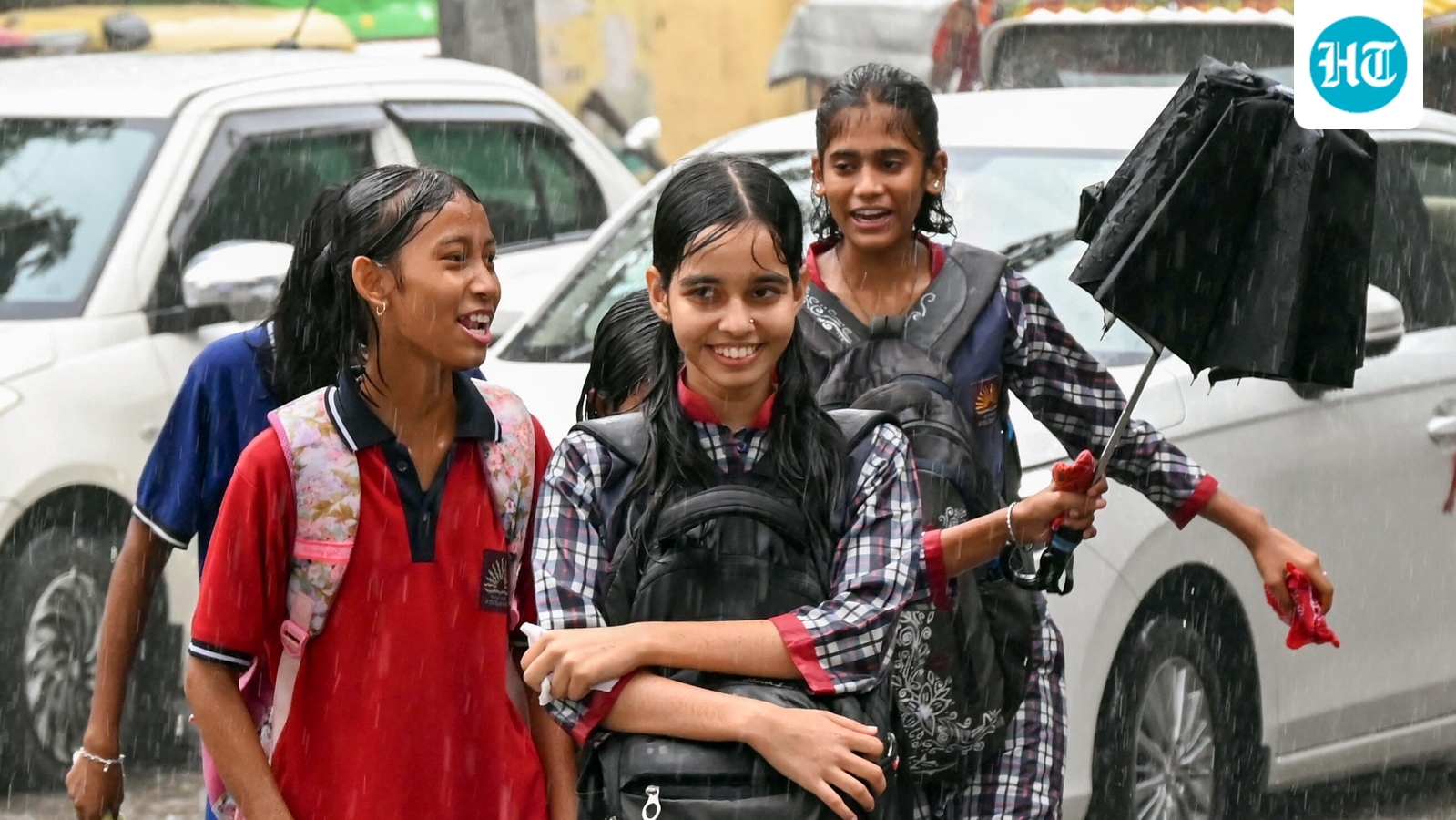
NEW DELHI [NCRBuzz Wire] — ### UNESCO Report Highlights Persistent Rural Educational Disparities in India
**The newly published UNESCO report titled 'Gender Equity in Access to Education' has revealed that girls in India continue to encounter significant systemic disadvantages in completing upper-secondary education.** Official data within the assessment underscores an adjusted gender parity index (GPI) of 0.89, pointing to an ongoing structural gap in female educational attainment across rural sectors nationwide.
### Quantitative Breakdown of Educational Equity Metrics
**Comprehensive data metrics released by international and domestic educational bodies indicate varied performance across administrative and demographic strata.** The table below outlines key statistical benchmarks regarding the reported gender parity indices and rural-urban educational attainment gradients.
| Metric / Aspect | Details |
|---|---|
| Adjusted Gender Parity Index (GPI) | 0.89 |
| Primary Focus Sector | Upper-Secondary Completion |
| Identified Vulnerable Demographic | Rural Female Students |
| Reporting Agency | UNESCO |
### Stakeholder Perspectives and Policy Implications
**Policy analysts and government officials have emphasized the necessity of bridging structural divides through enhanced budgetary allocations and targeted rural infrastructure development.** Representatives from the MINISTRY OF EDUCATION have reiterated ongoing commitments under nationwide frameworks such as SAMAGRA SHIKSHA to improve retention rates for female students in remote administrative divisions. Conversely, independent policy researchers and civil society organizations argue that while enrollment figures have improved, economic barriers, domestic responsibilities, and inadequate transportation infrastructure in rural districts continue to hinder long-term completion milestones.
### What to Watch Next in Educational Policy
**Observers will monitor upcoming parliamentary sessions and ministerial reviews for announcements regarding augmented funding for rural scholarship programs and secondary school infrastructure.** Stakeholders anticipate further empirical evaluations from bodies such as the NATIONAL COUNCIL OF EDUCATIONAL RESEARCH AND TRAINING (NCERT) to measure the localized impact of recent gender-focused educational initiatives.
Historical background, policy precedent, or civic impact: Educational equity policies in India have progressively expanded through legislative milestones such as the Right to Education (RTE) Act and national missions like SAMAGRA SHIKSHA, yet rural-urban divides and socio-economic hurdles continue to impact upper-secondary completion rates.
Get Instant Delhi-NCR Breaking Alerts on WhatsApp
Traffic advisories, AQI alerts, Metro disruptions, and verified local civic updates. No spam.
You have reviewed or dismissed all fresh dispatches.