Executive News Wire
Fact-first intelligence synthesized across 12+ news agencies. Zero sensationalism.
Live Wire
CHRONOLOGICAL WIRE DISPATCHES
Fact-first intelligence synthesized across 12+ news agencies. Zero sensationalism.
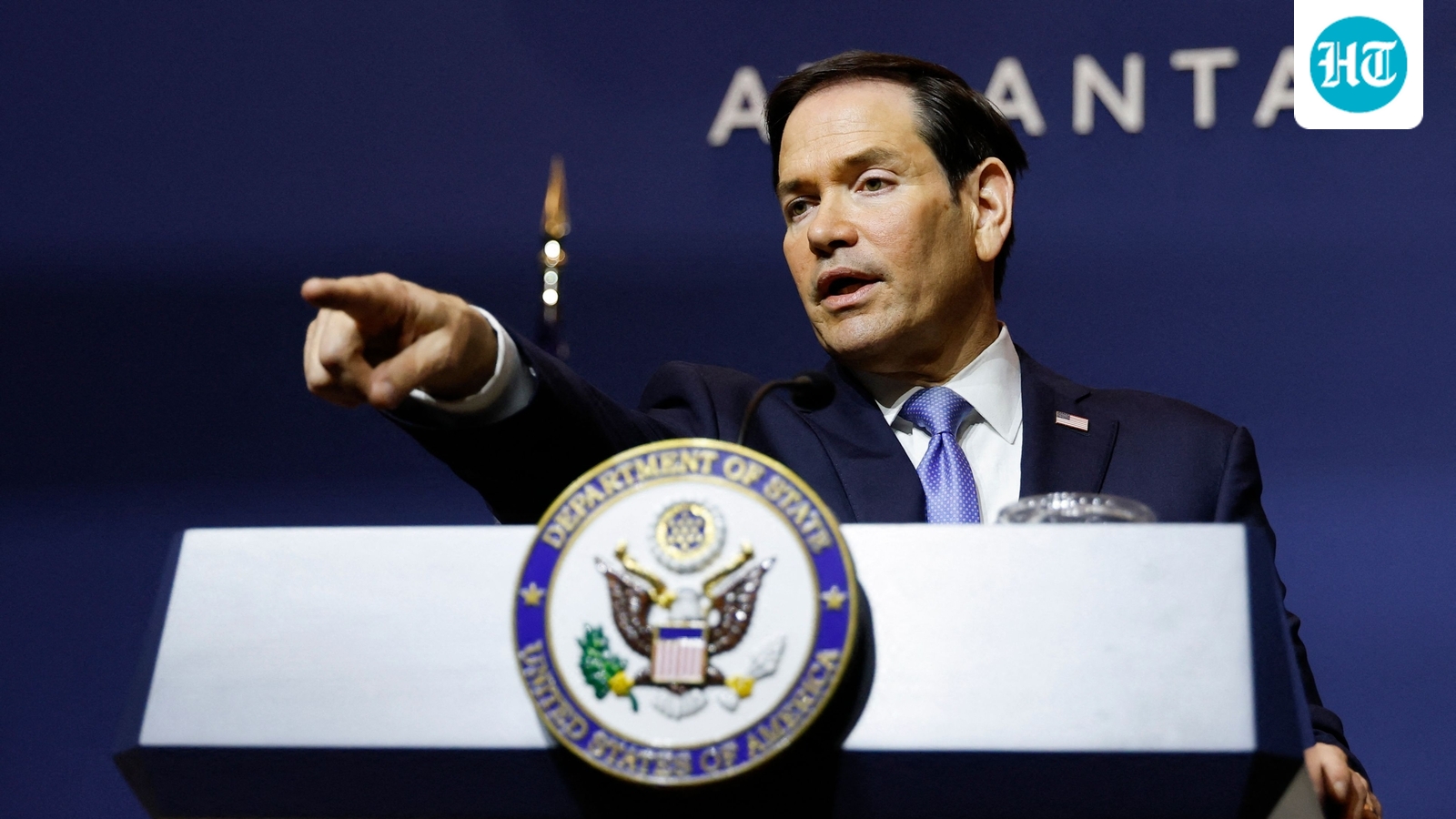
NEW DELHI [NCRBuzz Wire] — **NEW DELHI [NCRBuzz Wire] — United States policy discussions led by key figures like Marco Rubio have formally acknowledged Islamabad's growing anxieties over cross-border militancy, even as kinetic military exchanges intensify along the Durand Line.** Recent diplomatic engagements at major international forums have brought South Asian security architectures back into sharp focus, following Pakistan's kinetic strikes against Afghan Taliban installations in response to persistent insurgent infiltration.
### Geopolitical Ramifications and Regional Security
**Strategic calculations in Washington regarding South Asia must navigate the delicate balance between counter-terrorism cooperation and avoiding direct entanglement in localized territorial disputes.** While American statements validate Pakistan's right to internal security, Washington has refrained from issuing an outright military endorsement against the Afghan Taliban administration, opting instead to champion diplomatic dialogue. This diplomatic tightrope reflects broader Western fatigue with protracted regional conflicts and a prioritized focus on other global geopolitical hotspots.
### Why It Matters: Indian Lens & Global Context
**For New Delhi, the escalating friction between Islamabad and Kabul carries profound implications for India's regional security perimeter, cross-border infiltration dynamics, and energy trade stability.** New Delhi continues to monitor how shifting Western security postures toward Pakistan might inadvertently recalibrate financial and military aid, which historically has been repurposed against Indian interests. The unmitigated instability along the Afghanistan-Pakistan frontier exacerbates radicalization risks across the wider subcontinent, threatening critical trade routes and maritime-land connectivity corridors.
**A direct domestic parallel can be drawn to India's own continuous management of state-sponsored cross-border terrorism along its western frontier and the internal security challenges faced in Jammu and Kashmir.** The root cause in both geopolitical arenas stems from the historical harboring of militant proxies by failing state apparatuses, leading to asymmetric warfare. However, while India relies on proactive self-defense doctrines and independent diplomatic isolation campaigns against state sponsors of terror, Pakistan finds itself trapped in the cyclical blowback of radical groups it previously cultivated, demonstrating how structural state patronage of militancy ultimately threatens domestic stability.
The historical context involves persistent geopolitical instability along the Durand Line since the Taliban's return to power in Afghanistan in 2021, leading to frequent security standoffs between Kabul and Islamabad over militant safe havens.
Get Instant Delhi-NCR Breaking Alerts on WhatsApp
Traffic advisories, AQI alerts, Metro disruptions, and verified local civic updates. No spam.
You have reviewed or dismissed all fresh dispatches.