Executive News Wire
Fact-first intelligence synthesized across 12+ news agencies. Zero sensationalism.
Live Wire
CHRONOLOGICAL WIRE DISPATCHES
Fact-first intelligence synthesized across 12+ news agencies. Zero sensationalism.
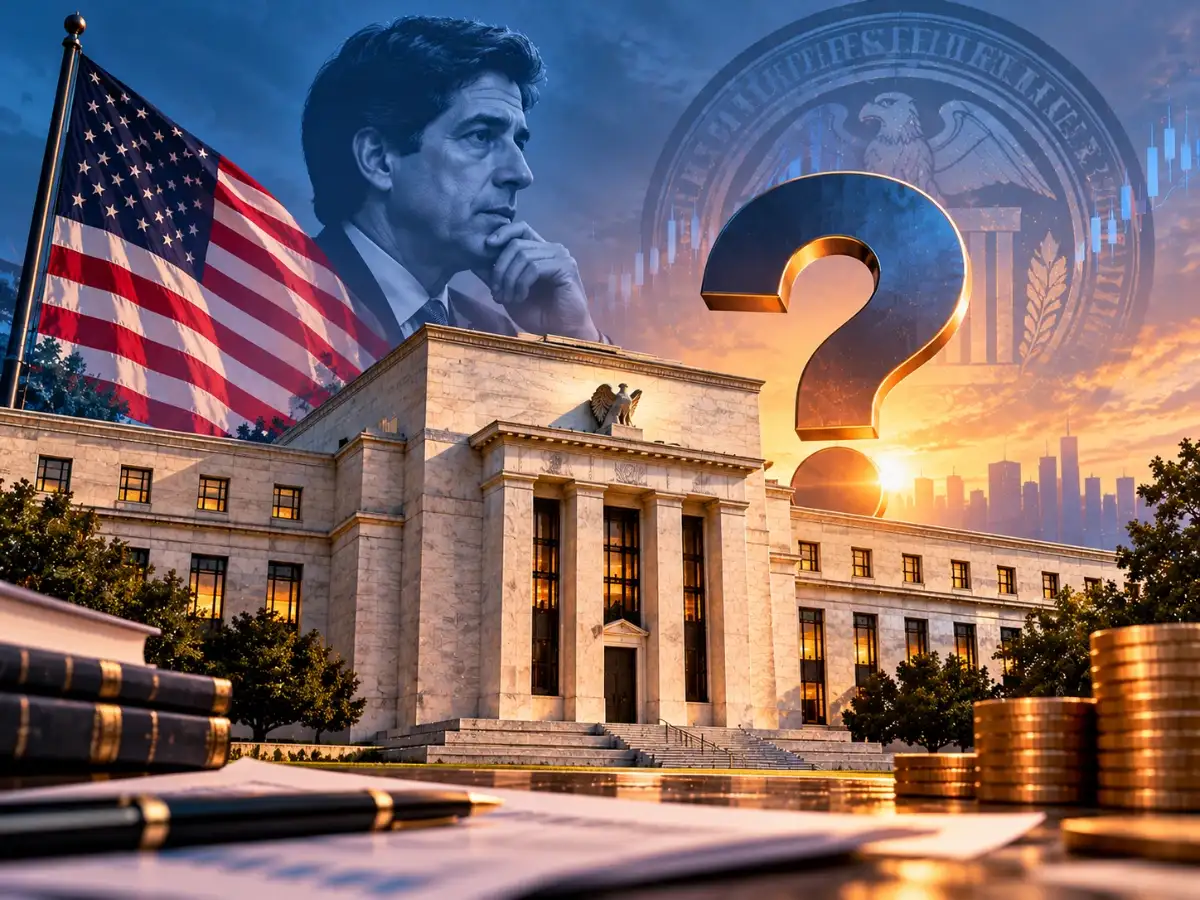
NEW DELHI [NCRBuzz Wire] — **NEW DELHI [NCRBuzz Wire] — Global financial institutions are tracking the US Fed decision date and time IST as markets prepare for the Federal Open Market Committee rate-setting session scheduled for Wednesday, October 29.**
**The United States Federal Reserve is widely expected to maintain its benchmark interest rates at current levels during the upcoming monetary policy review following a previous 25-basis-point increase to the 3.75%-4.00% range.** This decisive stance stems directly from persistent core inflation prints and stubbornly high borrowing costs that continue to challenge macroeconomic stability across developed economies.
**Financial markets and domestic households are turning their attention toward the central bank's forward guidance regarding potential December rate adjustments.** Analysts are scrutinizing incoming economic data releases, midterm political contexts, and internal FOMC discussions to gauge whether policy shifts might occur before the fiscal year concludes.
### Fiscal Metrics & Market Impact
| Economic Indicator | Current Status / Metric | Market Implication |
|---|---|---|
| Benchmark Interest Rate | 3.75%-4.00% / Expected Pause | Sustained borrowing costs for retail and corporate debt |
| Core Inflation Metric | Persistent above target | Restricts aggressive monetary easing cycles |
| Federal Reserve Focus | Policy independence & December tightening | Triggers volatility in bond yields and equity valuations |
### Why It Matters: Indian Lens & Global Context
**Changes in the US Federal Reserve monetary policy architecture carry profound structural implications for emerging markets, including the Indian economy.** When the US central bank maintains elevated interest rates or signals tightening, foreign portfolio investors frequently reallocate capital away from domestic equities toward dollar-denominated assets. This capital flight exerts downward pressure on the Indian Rupee against the US Dollar, concurrently inflating the landed cost of India's crude oil imports and threatening imported inflationary pressures.
**Domestically, the Reserve Bank of India faces a parallel balancing act in managing domestic repo rates against global liquidity contractions.** While the US Fed navigates persistent domestic inflation driven by labor market resilience and fiscal spending, the RBI similarly calibrates monetary policy to anchor domestic consumer price index inflation within its mandated tolerance band. Both central banks underscore the intricate interplay between domestic price stability and volatile international financial flows.
Historically, Federal Reserve interest rate decisions are anchored in dual-mandate metrics tracking maximum employment and stable prices. The FOMC convenes eight times annually to evaluate monetary stances amid domestic and international economic shifts.
Get Instant Delhi-NCR Breaking Alerts on WhatsApp
Traffic advisories, AQI alerts, Metro disruptions, and verified local civic updates. No spam.
You have reviewed or dismissed all fresh dispatches.