Executive News Wire
Fact-first intelligence synthesized across 12+ news agencies. Zero sensationalism.
Live Wire
CHRONOLOGICAL WIRE DISPATCHES
Fact-first intelligence synthesized across 12+ news agencies. Zero sensationalism.
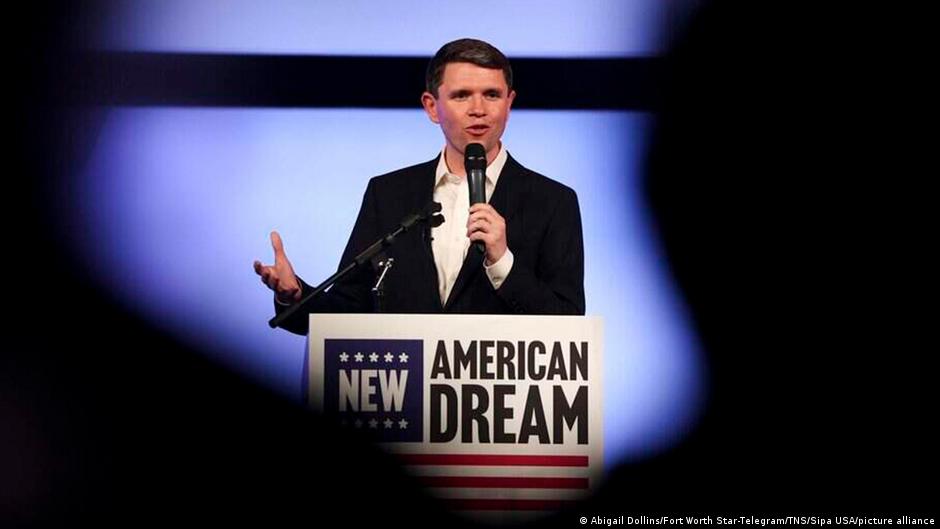
NEW DELHI [NCRBuzz Wire] — **NEW DELHI [NCRBuzz Wire] —** **United States Senate Democrats and party campaigners have fundamentally reframed their environmental messaging, shifting from broad climate change rhetoric to concrete promises aimed at lowering household electricity bills.** This strategic pivot directly addresses escalating cost-of-living pressures, inflation, and public sensitivity to household utility expenses ahead of legislative cycles. Observers note that while traditional climate advocacy remains embedded within party platforms, immediate electoral appeals prioritize consumer financial relief over sweeping decarbonization mandates.
### Strategic Pivot and Underlying Motives
**The primary motive behind this tactical shift is the urgent need to address voter fatigue driven by post-pandemic inflation and high energy costs.** When evaluating what US Democrats stand for in contemporary politics, analysts observe a pragmatic alignment with immediate economic hardships faced by working-class households. By focusing on grid modernization, renewable deployment that cuts immediate overheads, and targeted consumer rebates, the party seeks to neutralize Republican criticisms regarding high energy prices and regulatory overreach.
### Why It Matters: Indian Lens & Global Context
**This political recalibration in Washington holds substantial direct and indirect implications for India's energy security, trade dynamics, and foreign policy calculus.** As the world's third-largest energy consumer, shifts in US legislative priorities regarding fossil fuels, renewable subsidies, and green technology funding directly influence global crude oil markets, liquefied natural gas (LNG) supply chains, and the pace of international climate financing commitments. A US domestic focus on lowering electricity bills through domestic grid investments can alter the availability and cost of green transition technologies imported by emerging economies.
**Parallels to domestic Indian political and economic events are striking, reflecting a universal tension between long-term environmental commitments and immediate voter welfare.** In India, political parties across the spectrum routinely utilize electricity tariff subsidies, free power allocations for agricultural sectors, and household power caps as decisive electoral tools, directly mirroring how American politicians are now weaponizing utility bills to win voter mandates. Both democracies face the complex policy trilemma of balancing carbon reduction targets, fiscal prudence, and the immediate imperative of shielding vulnerable populations from inflationary energy spikes. The underlying root cause in both nations is the high sensitivity of the electorate to basic utility expenditures, forcing policymakers to ground abstract global issues into tangible kitchen-table economics.
### What to Watch Next
**Policy analysts and international trade monitors are closely tracking whether legislative proposals will maintain robust funding for green transition grants or pivot entirely toward consumer price subsidies.** Key indicators will include congressional committee allocations, bipartisan energy infrastructure negotiations, and executive regulatory actions concerning domestic oil and gas production versus renewable deployment. Observers will also assess how these domestic shifts impact Washington's posture at upcoming international climate summits and bilateral trade agreements involving green tech standards.
United States climate policy has historically oscillated between aggressive decarbonization frameworks, such as the Inflation Reduction Act, and populist pressures to stabilize domestic energy prices during inflationary cycles.
Get Instant Delhi-NCR Breaking Alerts on WhatsApp
Traffic advisories, AQI alerts, Metro disruptions, and verified local civic updates. No spam.
You have reviewed or dismissed all fresh dispatches.