Executive News Wire
Fact-first intelligence synthesized across 12+ news agencies. Zero sensationalism.
Live Wire
CHRONOLOGICAL WIRE DISPATCHES
Fact-first intelligence synthesized across 12+ news agencies. Zero sensationalism.
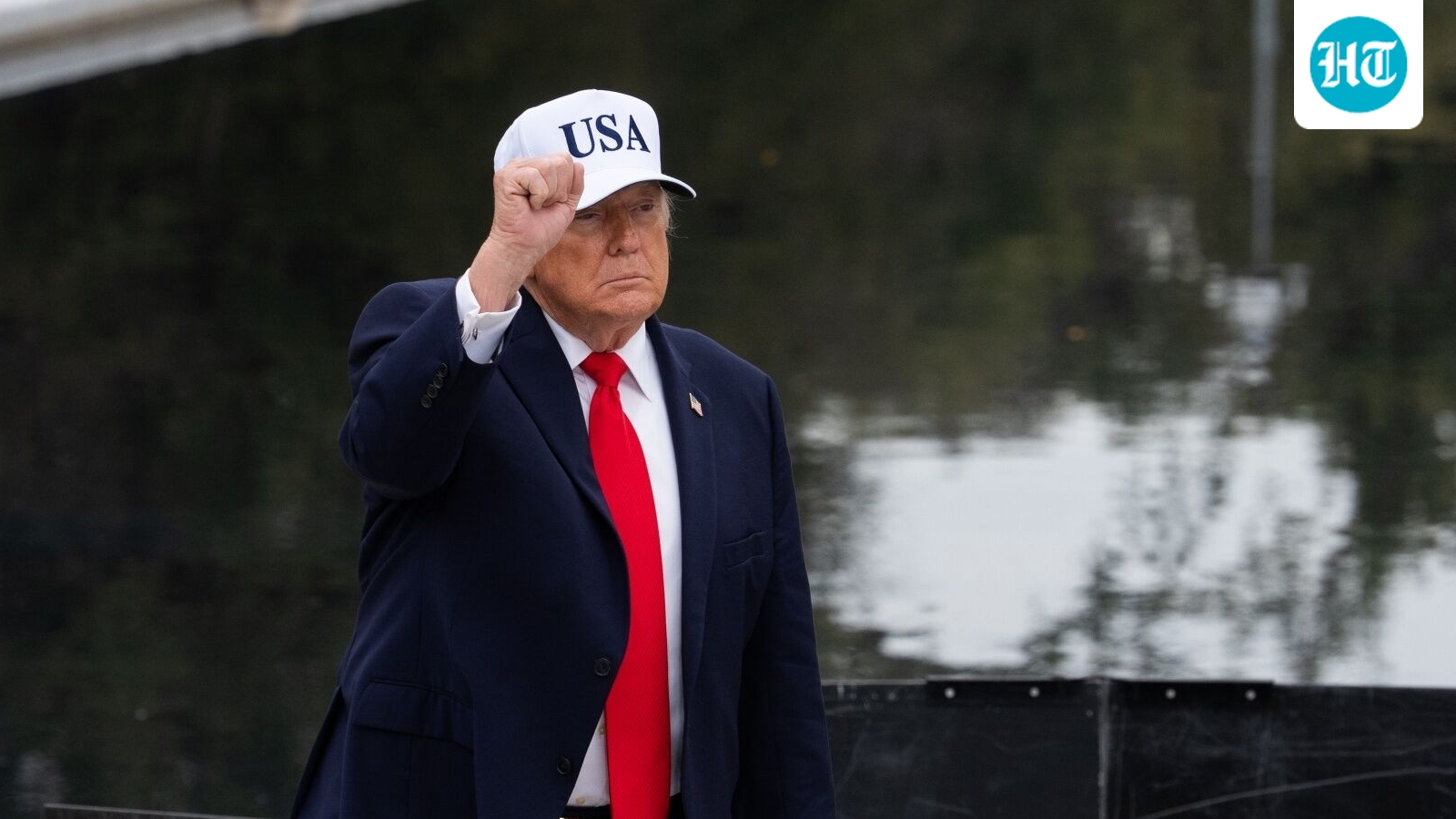
NEW DELHI [NCRBuzz Wire] — **United States President-elect Donald Trump has formally announced intentions to phase out the $3.8 billion annual security assistance package extended to Israel starting after 2026, marking a dramatic pivot in Washington's longstanding foreign assistance framework.** Grounded in the rationale that Israel has matured into an advanced, economically robust state capable of self-defense, this decision aims to recalibrate American expenditure while altering international security dynamics. Trump additionally asserted that Israel was 'fine' with him ending the assistance, which originally began in 2019 under a Memorandum of Understanding signed during his previous administration.
### Strategic Repercussions on Global Defense and Bilateral Pacts
**The impending cessation of this multi-billion-dollar military commitment challenges decades of bipartisan consensus in Washington regarding unconditional defense support for West Asian allies.** International relations analysts note that while Israel maintains a formidable domestic defense manufacturing sector, the sudden vacuum of US subsidies could necessitate a major restructuring of its defense procurement budgets. This dynamic intersects with broader global trade and energy choke points, as any instability in the Levant directly reverberates through maritime commerce routes in the Red Sea and Suez Canal.
### Why It Matters: Indian Lens & Global Context
**For New Delhi, the proposed termination of US military aid to Israel introduces complex ripple effects across India's multi-aligned foreign policy framework, particularly given New Delhi's deep strategic, defense, and technological partnership with Tel Aviv.** India procures critical defense hardware, including advanced unmanned aerial vehicles, radar systems, and precision munitions, from Israeli defense contractors. A disruption or budgetary squeeze in Israel's defense ecosystem could prompt Tel Aviv to aggressively ramp up defense exports to allied nations like India to offset domestic fiscal adjustments.
**On the domestic policy and governance front, this international realignment provides a compelling parallel to debates in India regarding the phasing out of state subsidies, developmental grants, and foreign aid utilization.** Just as Washington's policy debate centers on the threshold where a developing partner transitions into an economically self-reliant global player, Indian policymakers continuously evaluate the rationalization of central grants, interstate subventions, and international developmental assistance.
### What Lies Ahead: Impact & Next Steps
**Diplomatic missions and intelligence desks across global capitals are closely monitoring legislative maneuvers in the US Congress ahead of the 2026 deadline to assess whether the policy shift will be codified into binding statutory cuts.** Stakeholders must observe subsequent bilateral trade talks, potential shifts in West Asian diplomatic alignments, and adjustments in global crude oil pricing benchmarks.
Historically, the United States has maintained a multi-year framework governing billions in annual defense grants to Israel, formalized under previous bilateral agreements including a 10-year MoU initiated prior to 2019.
Get Instant Delhi-NCR Breaking Alerts on WhatsApp
Traffic advisories, AQI alerts, Metro disruptions, and verified local civic updates. No spam.
You have reviewed or dismissed all fresh dispatches.